
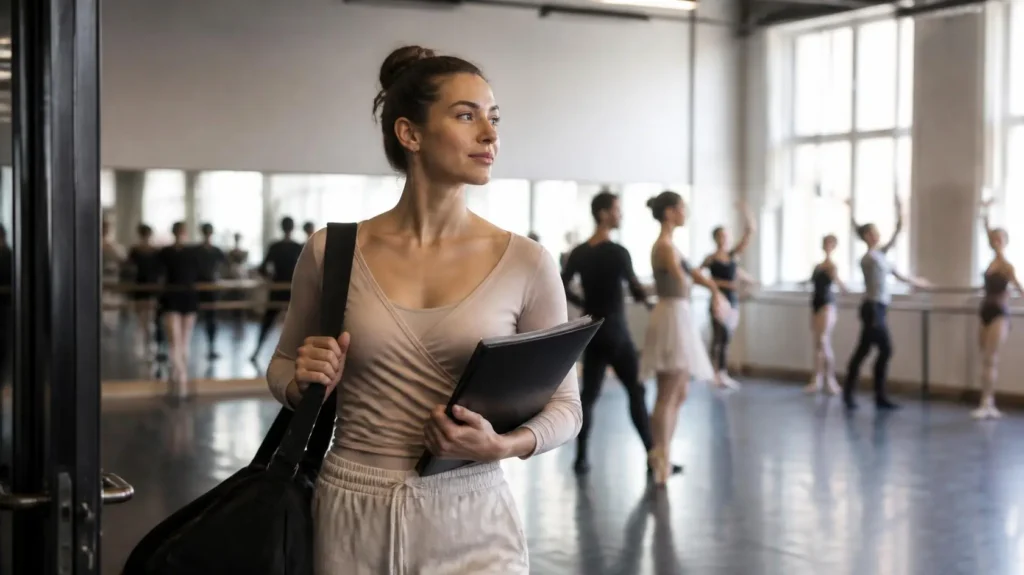
Quick answer: To become a professional dancer, choose the path you want (commercial, company, battle and street, teaching or content), train seriously in the styles that path needs, build a short dance reel, get into rooms where work happens (classes, auditions, events) and start taking small paid gigs. Most dancers build a career from several income streams rather than one job.
This is the starting point for our Career & Opportunities section. Every step links to a deeper guide.
Step 1: Choose Your Path
“Professional dancer” means very different things:
| Path | What the work looks like | Main skills needed |
|---|---|---|
| Commercial | Music videos, tours, ads, TV, events | Versatility, picking up choreography fast, camera presence |
| Company / concert | Contemporary or ballet companies, theater | Strong technique, often formal training |
| Battle and street | Competitions, jams, judging, teaching | Freestyle, musicality, foundations, community presence |
| Teaching | Studios, schools, workshops | Communication, patience, structured classes |
| Content and creator | Social media, brand deals, online classes | Filming, editing, consistency, personality |
| Theater / musical | Stage productions | Dance plus singing and acting |
Many dancers combine two or three of these. Pick a main direction so you know what to train.
Step 2: Train Seriously
- Take classes regularly, ideally several times a week.
- Cross-train styles relevant to your path. Commercial dancers especially need range.
- Condition your body like an athlete. See best strength training exercises for dancers.
- Learn to pick up choreography fast. Read how to learn fast choreography without getting lost.
Step 3: Build Your Materials
You’ll need:
- A dance reel: 1 to 2 minutes of your best footage. See how to build a dance portfolio that gets noticed.
- A dance resume with training, credits and skills. See how to write a dance resume.
- Good headshots and full-body photos.
- A professional social media presence. See how to build a personal brand as a dancer.
Step 4: Get Into the Rooms Where Work Happens
Opportunities come through people:
- Take classes from working choreographers.
- Go to jams, workshops, battles and industry events.
- Attend open auditions, even early on, for the experience.
- Help out at events and productions.
Read why networking matters for a dance career and how to find dance jobs.
Step 5: Start With Smaller Paid Work
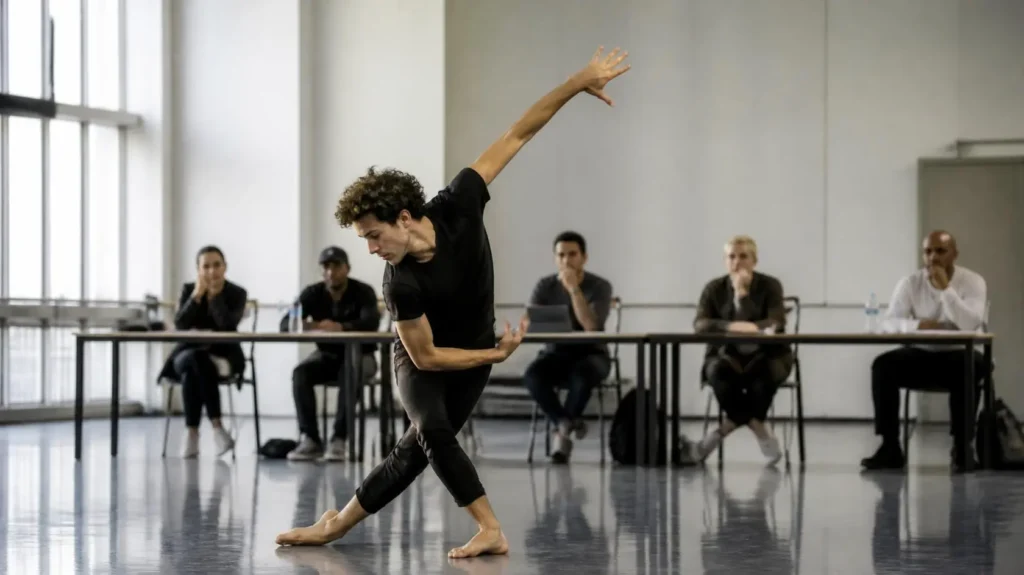
Your first jobs probably won’t be big tours. They’ll be local events, student films, small music videos, showcases and teaching. That’s normal. Each one gives you footage, contacts and experience for the next.
Step 6: Audition Smart
- Prepare properly for each one. See dance audition tips.
- Understand what casting looks for. See what casting directors look for in dancers.
- Treat rejection as part of the process. Even working dancers get turned down far more than they get booked.
Step 7: Build Multiple Income Streams
Few dancers earn everything from performing. Combine gigs with teaching, private lessons, content and choreography. See 10 ways dancers can turn their skills into income.
Step 8: Play the Long Game
Careers are built over years. Show up consistently, keep training, protect your body and be someone people want to work with. Read how consistency builds a successful dance career.
The Full Career Series
- Best Social Media Strategies for Dancers
- 10 Side Hustles That Can Make Money for Dancers
- What Casting Directors Look for in Dancers
- How to Build a Dance Portfolio That Gets Noticed
- How to Find Dance Jobs and Performance Opportunities
- Why Networking Matters for a Dance Career
- How to Make Money as a Dance Teacher or Instructor
- How to Become a Professional Backup Dancer
- Dance Audition Tips: Prepare and Stand Out
- How to Build a Personal Brand as a Dancer
- How Consistency Builds a Successful Dance Career
- 10 Ways Dancers Can Turn Their Skills Into Income
- What Every Aspiring Professional Dancer Should Know
- How to Write a Dance Resume That Gets Interviews
- 10 Career Mistakes Dancers Should Avoid
Frequently Asked Questions
How do I become a professional dancer?
Choose a path, train seriously, build a reel and resume, network in your scene, audition, and start with smaller paid work while building multiple income streams.
Do you need a degree to be a professional dancer?
Not for most commercial, street or content paths. Some company and teaching paths value formal training or degrees.
How long does it take to become a professional dancer?
It varies. Many dancers train for several years before steady paid work, and careers keep developing long after.
Can you become a professional dancer if you start late?
Yes, especially in street, commercial and content paths, where skill, style and network matter more than starting age.
Where to Start Today
Write down which path from the table fits you best, then list the three skills it needs that you’re weakest at. That’s your training plan for the next three months.
Leave a Reply