
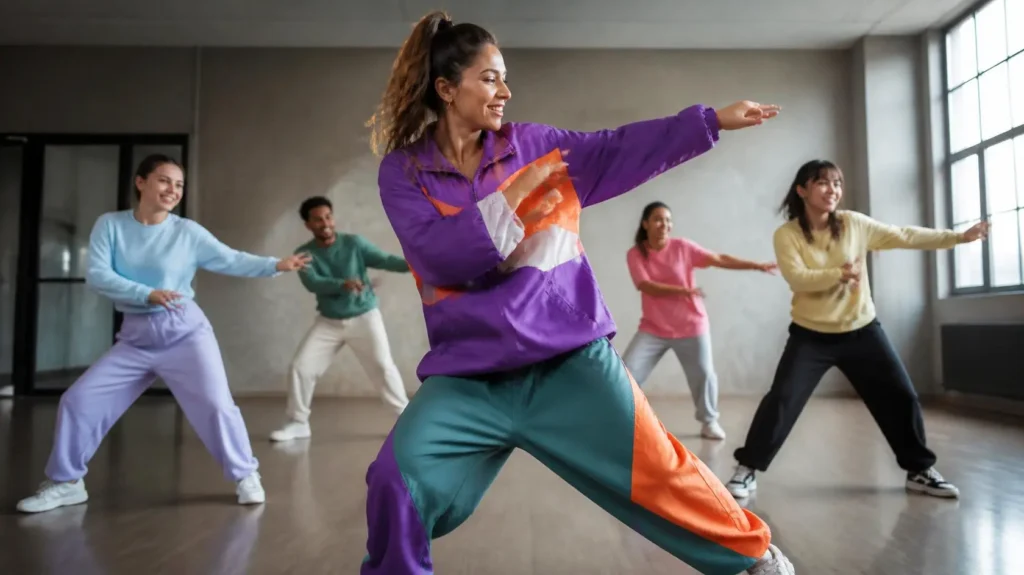
Quick answer: To make money teaching dance, start where students already are: sub classes or teach beginners at a local studio, gym or community center, and offer private lessons on the side. Set your rates by checking what similar classes cost in your area, then build a regular group of students before expanding to your own classes, workshops or online teaching.
Why Teaching Works as Income
For many dancers, teaching is the most reliable income stream. Unlike gigs, classes happen every week. It also builds your reputation, sharpens your own technique and grows your network.
Do You Need to Be a Pro to Teach?
Not necessarily. To teach beginners well, you need:
- Solid fundamentals in the style.
- The ability to break movements down clearly.
- Patience and good communication.
- Reliability.
Some styles and settings, like certain fitness formats, schools or exam-based syllabi, may require a certification, so check what applies where you are.
Step 1: Choose What and Who You’ll Teach
| Audience | Why it works |
|---|---|
| Kids | Consistent demand, parents book long-term |
| Adult beginners | Large market, people looking for a fun hobby |
| Teens | Popular for hip-hop and commercial styles |
| Fitness-focused | Gyms and wellness studios want dance workouts |
| Intermediate dancers | Workshops in your specialty |
| Couples and events | Wedding and event choreography |
Pick one to start.
Step 2: Start Where Students Already Are
- Sub classes at local studios to get experience.
- Pitch a beginner class to gyms, community centers and schools.
- Offer private lessons to friends of friends or online.
Using existing spaces means you don’t need to rent your own or build an audience from scratch.
Step 3: Set Your Rates
Rates vary a lot by city, style and experience, so:
- Look up what local studios charge for drop-in classes and private lessons.
- Price private lessons at a premium compared with group classes, since they’re one-on-one.
- Offer class packs or monthly options to encourage regular attendance.
- Raise your rates as your experience and demand grow.
When studios hire you, you’ll often be paid a set fee per class or a share of the class income. Ask clearly before agreeing.
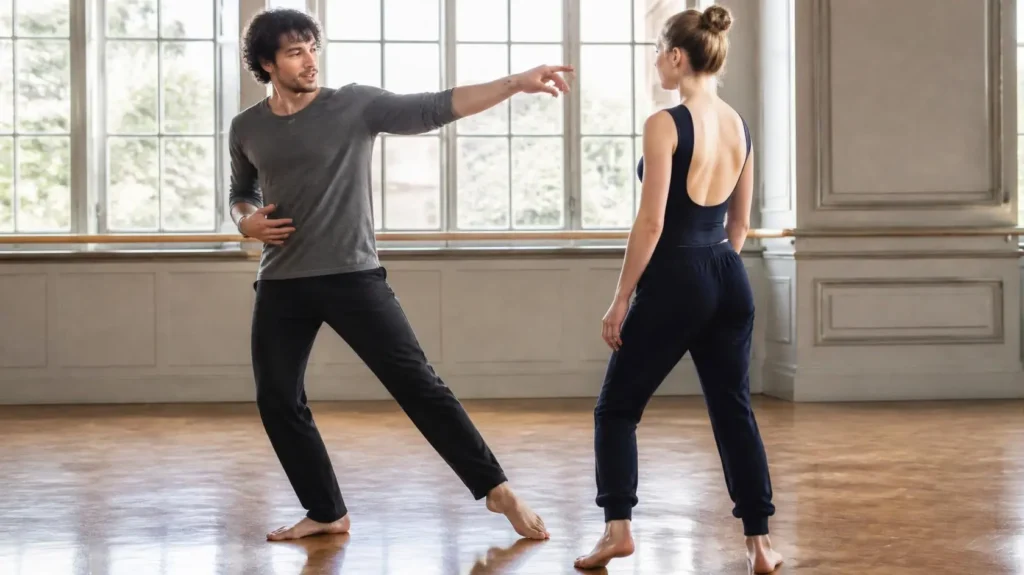
Step 4: Plan Great Classes
A simple structure works:
- Warm-up (10 minutes).
- Technique or foundations (15 minutes).
- Choreography or combo (20 to 25 minutes).
- Performance run-through or freestyle (5 to 10 minutes).
Teach in small chunks, use counts, repeat often and give positive corrections. Students come back when they feel progress and have fun.
Step 5: Find and Keep Students
- Post short clips of your classes online (with students’ permission).
- Ask happy students to bring friends.
- Partner with local businesses and schools.
- Keep a list of student contacts so you can announce new classes.
- Be consistent: same time, same place.
Step 6: Grow Your Teaching Income
Once you have regular students:
- Run workshops and intensives.
- Teach online classes or create recorded programs.
- Choreograph for showcases, schools and events.
- Open your own regular class or program.
See 10 ways dancers can turn their skills into income.
Frequently Asked Questions
How do I start teaching dance?
Sub classes or teach beginners at local studios, gyms or community centers, and offer private lessons on the side.
How much should I charge for dance lessons?
Check what local studios charge for similar classes and private lessons, then set your rates accordingly, with private lessons priced higher.
Do I need a certification to teach dance?
Not usually for street, hip-hop or commercial styles. Some fitness formats, schools or exam-based syllabi may require one.
How do dance teachers get students?
Through studios, word of mouth, social media clips, local partnerships and keeping in touch with past students.
Where to Start Today
Message two local studios or gyms asking if they need a sub or a beginner instructor, and attach a short clip of you dancing and teaching.
Leave a Reply