
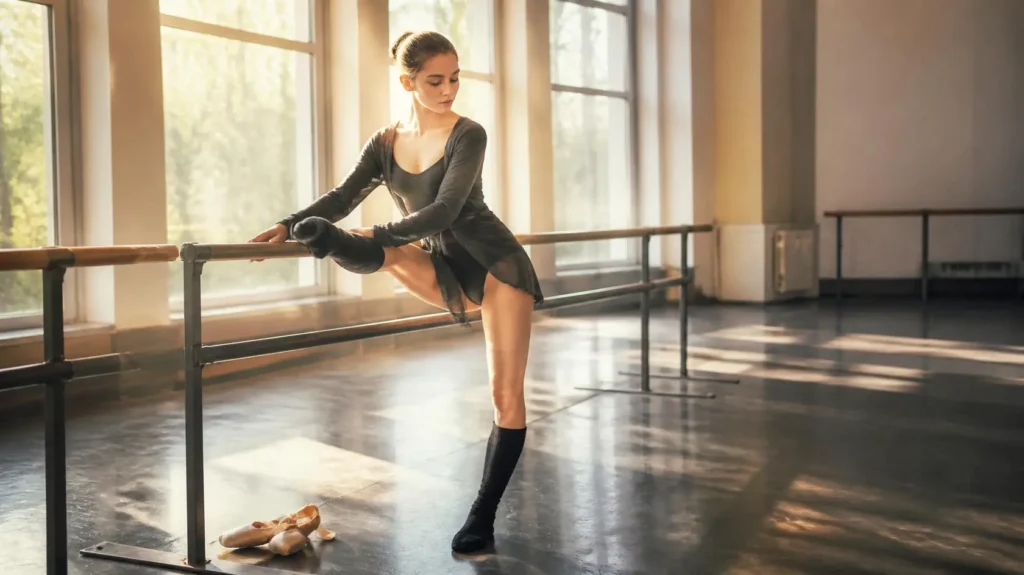
From the outside, a professional dancer’s life looks like stages, music videos and big events. Behind that is a lot of daily work: training, rehearsals, recovery, admin and constant hustle for the next opportunity.
There’s no single professional dancer daily routine. It depends on whether someone dances in a company, works commercially, competes in battles, teaches or does a mix of everything. But most routines share the same building blocks. Here’s a realistic look.
The Different Types of Professional Dancers
| Type | What their days often involve |
|---|---|
| Company dancer | Daily class, long rehearsals, scheduled performances |
| Commercial dancer | Auditions, rehearsals for artists, shoots, events |
| Battle and street dancer | Training sessions, jams, events, teaching, content |
| Dance teacher | Classes, choreography prep, admin |
| Freelance mix | A bit of everything, changing week to week |
Many professional dancers combine several of these, especially early in their careers.
A Sample Day: Freelance Commercial and Street Dancer
This is a typical training-and-work day for a dancer juggling classes, teaching and gigs. Every day looks different, but this shows the balance.
| Time | Activity |
|---|---|
| 7:30 | Wake up, hydrate, breakfast |
| 8:00 | Mobility and stretching (15–20 min) |
| 9:00 | Strength or conditioning session |
| 10:30 | Admin: emails, booking, invoices, social media |
| 12:00 | Lunch |
| 13:00 | Take a class or personal practice session |
| 15:00 | Rehearsal for an upcoming gig or showcase |
| 18:00 | Teach an evening class |
| 20:00 | Dinner and recovery |
| 21:00 | Film or edit content, watch dance footage |
| 23:00 | Sleep |
The Core Building Blocks
1. Daily Training
Professionals never stop training. That might be a technique class, freestyle sessions, drilling foundations or learning new styles. Skill only stays sharp with consistent practice.
2. Physical Conditioning
Strength, stamina, mobility and flexibility work keep a dancer’s body ready for anything. Many pros treat this like an athlete would. See best strength training exercises for dancers.
3. Rehearsals
When there’s a show, tour, video or competition coming up, rehearsals can take up most of the day, sometimes six to eight hours or more.
4. Recovery
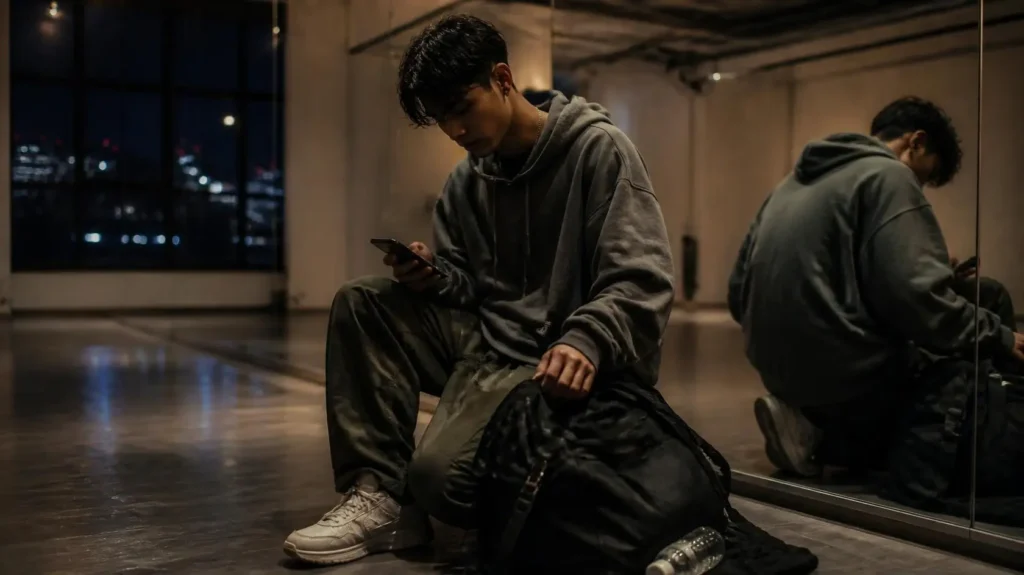
Sleep, nutrition, rest days and injury prevention are non-negotiable at a professional level. Bodies that aren’t cared for don’t last. See best recovery methods for dancers.
5. The Business Side
Professional dancers are often self-employed. That means emails, contracts, invoices, booking gigs, networking and managing an online presence. This side of the job is easy to underestimate. Read how to build a personal brand as a dancer.
6. Content and Social Media
For many modern dancers, filming and posting content is part of the job: it builds an audience, attracts bookings and can create extra income. See best social media strategies for dancers.
What Most People Don’t See
- Irregular schedules: some weeks are packed, others quiet.
- Lots of travel for auditions, events and gigs.
- Constant learning, even for experienced dancers.
- Mental pressure from auditions, rejection and competition.
- Multiple income streams, since very few dancers rely on a single job.
What You Can Borrow for Your Own Routine
You don’t need to be a pro to train like one. Take these habits:
- Train a little every day, rather than a lot occasionally.
- Include mobility, strength and recovery, not just dance practice.
- Watch and study dance with intention.
- Treat sleep as part of training.
- Plan your week ahead.
Read 10 habits successful dancers have in common for more.
Frequently Asked Questions
How many hours a day do professional dancers train?
It varies widely. Many train or rehearse four to eight hours a day, with more during intense rehearsal periods.
Do professional dancers have a fixed schedule?
Company dancers often do. Freelance and commercial dancers usually have schedules that change week to week.
What do professional dancers do besides dance?
Strength and conditioning, recovery, teaching, admin, networking, content creation and auditioning.
How can I train like a professional dancer?
Practice consistently, cross-train your body, prioritize recovery, plan your week and treat dance like a long-term career.
The Bottom Line
A professional dancer’s daily routine is a balance of training, conditioning, rehearsals, recovery and business. It’s demanding, varied and often unpredictable. But the core habits of consistent practice, smart training, recovery and planning are ones every dancer can start using today.
Leave a Reply