
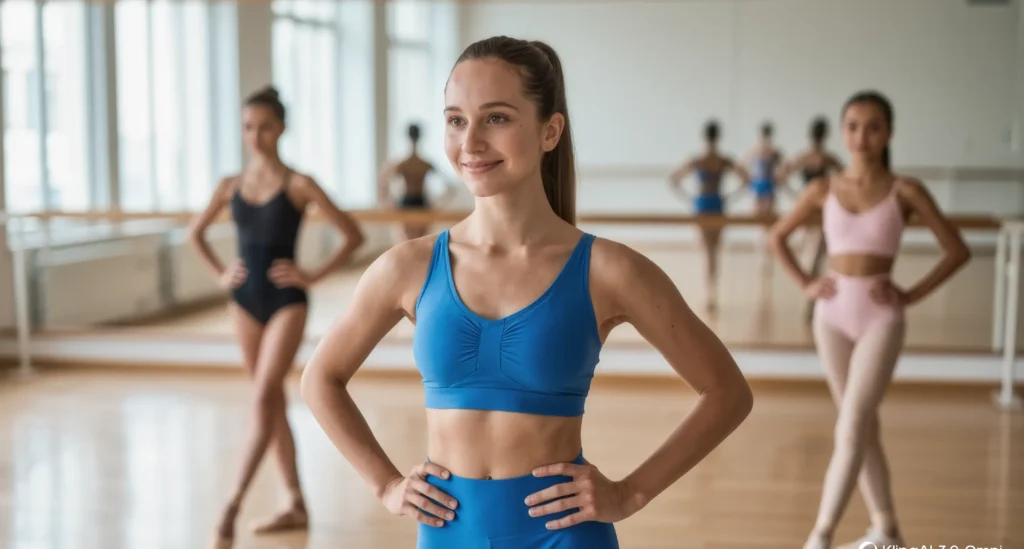
Looking confident on stage is a skill. Feeling confident is something deeper. Real confidence as a dancer is the quiet belief that you can handle whatever happens: a hard routine, an unfamiliar track in a battle, a mistake in front of a crowd. It isn’t something you’re born with or without. It’s built, piece by piece, through how you train and how you think.
(If you need quick tips on body language for your next performance, see how to look confident while dancing on stage. This article is about the inner side.)
Where Dance Confidence Really Comes From
Confidence isn’t the same as believing you’re the best. It’s trust: trust in your preparation, your body and your ability to recover. That trust comes from three sources:
- Evidence: proof that you’ve done hard things before.
- Preparation: knowing you’ve put in the work.
- Self-talk: the way you speak to yourself about your dancing.
Strengthen all three and confidence follows.
1. Collect Evidence of Your Progress
Your brain believes evidence more than pep talks. Give it some.
- Keep a video archive. Film yourself regularly and compare clips from three or six months ago. Progress you can’t feel day to day becomes obvious.
- Write down wins. A clean turn, a new move, a good class, a battle you survived. Small wins count.
- Set achievable goals. Hitting realistic targets builds a track record of success.
2. Prepare More Than You Think You Need
Much of performance anxiety is really uncertainty. When you know your material deeply, there’s less to worry about.
Rehearse choreography until you could do it half asleep. For battles, practice freestyling to unfamiliar music so the unknown feels familiar. Preparation is the most reliable confidence builder there is.
3. Change the Way You Talk to Yourself
Listen to what you say in your head after practice. “I’m terrible at this.” “Everyone’s better than me.” “I’ll never get it.” Those thoughts shape how you dance.
Try reframing:
| Instead of… | Try… |
|---|---|
| “I can’t do this.” | “I can’t do this yet.” |
| “I messed up again.” | “What can I fix next time?” |
| “Everyone’s better than me.” | “I can learn from them.” |
| “I’m not a real dancer.” | “I’m a dancer who’s still growing.” |
This isn’t about pretending. It’s about being as fair to yourself as you would be to a friend.
4. Stop Comparing Your Start to Someone’s Middle
Social media is full of highlight reels. Comparing your practice sessions to someone’s best clip is an unfair fight. Focus on your own progress instead. Read how to stop comparing yourself to other dancers for more.
5. Put Yourself in Slightly Uncomfortable Situations
Confidence grows when you survive things that scared you. Take small, steady steps outside your comfort zone:
- Dance in the front row of class instead of the back.
- Freestyle in a circle at a jam or event.
- Share a short clip online.
- Enter a beginner battle or small showcase.
Each one makes the next feel less intimidating.
6. Make Peace With Mistakes
Dancers who fear mistakes hold back, and holding back looks unconfident. Accept that mistakes are part of performing. Every experienced dancer has fallen, forgotten choreography or lost a battle. The confident ones just kept going.
7. Build Daily Habits
Confidence is maintained the same way it’s built: consistently. Small daily routines like a short practice session, a quick win list or a few minutes of positive visualization keep it strong. See daily confidence-building habits for dancers for a full list.
Frequently Asked Questions
How can I become a more confident dancer?
Collect evidence of your progress, prepare thoroughly, improve your self-talk, avoid unfair comparisons and gradually put yourself in more challenging situations.
Why do I lack confidence in dancing?
Often it’s a mix of comparison, fear of mistakes and not seeing your own progress. Tracking improvement and changing your self-talk help a lot.
Is confidence more important than technique?
Both matter. Technique gives you the tools; confidence lets you use them fully. A confident dancer often looks better than a more technical one who holds back.
How long does it take to build confidence as a dancer?
It grows gradually. Many dancers notice a shift within a few months of consistent practice and stepping outside their comfort zone.
The Bottom Line
Confidence as a dancer isn’t faked; it’s built from evidence, preparation and how you talk to yourself. Track your progress, prepare deeply, reframe negative thoughts, stop unfair comparisons and keep stretching your comfort zone. Do this consistently and you’ll stop hoping you’re ready, because you’ll know you are.
Leave a Reply