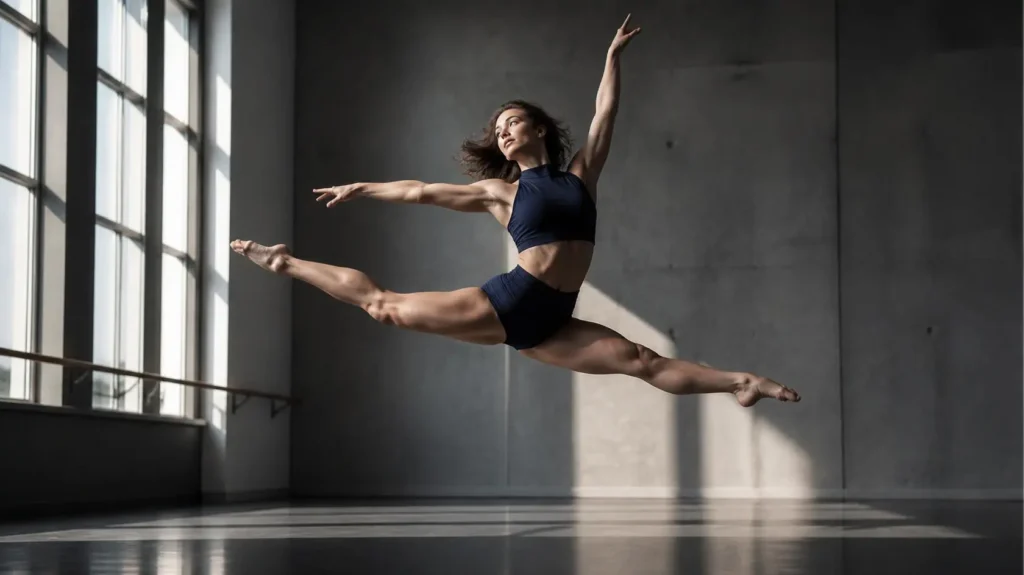
Power gets attention. Control earns respect. Dancers who have both look explosive and precise at the same time, and that combination is what makes movement look truly dynamic. Too much power without control looks wild and sloppy. Too much control without power looks careful and flat.
Learning to dance with power and control is about mastering the balance between them. Here’s how.
What Are Dynamics?
Dynamics are the changes in speed, force and intensity within your movement. They’re what make dancing interesting to watch. A dancer with strong dynamics can go from soft to explosive, fast to slow, or moving to dead still in an instant, and do it on purpose.
Power and control are the two ends of that range:
- Power is how much force you put into a movement.
- Control is your ability to start, stop and direct that force exactly where you want it.
1. Learn to Stop Dead
The clearest sign of control is a clean stop. If you can hit a move hard and freeze instantly without any wobble, drift or bounce, you look powerful and controlled.
Drill: hit and hold. Pick a sharp move, like an arm punch, a chest hit or a fast step. Execute it with full force, then freeze for two counts. Check on video: does anything keep moving after the hit? Keep working until the stop is completely clean.
2. Generate Power From Your Center
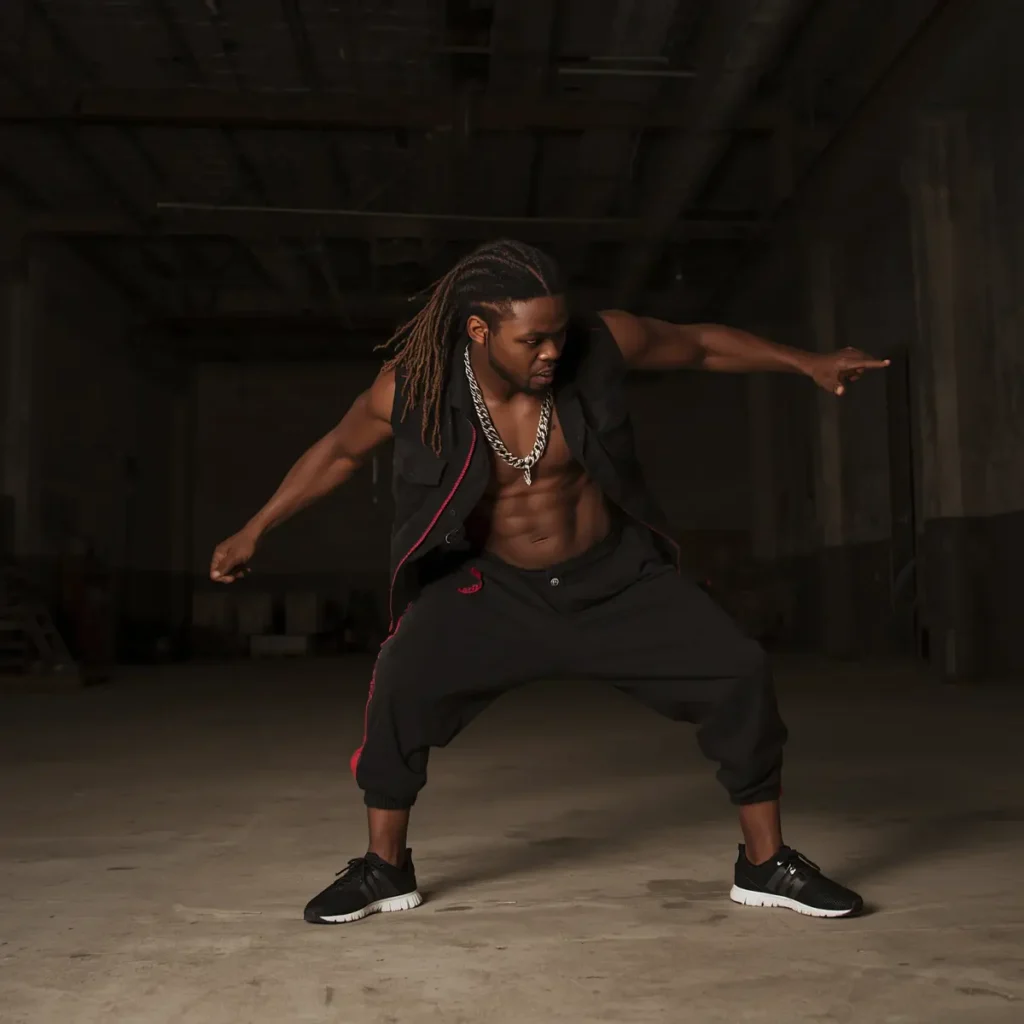
Real power doesn’t come from flinging your arms or legs. It comes from your core and hips, transferring force out through your limbs. When power starts at your center, it looks heavier and more connected.
Try this: throw a punch using only your arm, then throw one starting from a twist of your hips and core. The second one looks and feels much more powerful. Apply the same idea to your dancing. Strong core training makes a big difference; see the best core exercises for dancers.
3. Stay Grounded
Power needs a stable base. Bend your knees, keep your weight connected to the floor, and push through the ground when you move. A grounded dancer can produce more force and recover from it faster.
4. Use Contrast
Power looks strongest when it’s surrounded by softness or stillness. If every move is at full force, nothing stands out. Mix:
| Contrast | Example |
|---|---|
| Soft → hard | Smooth wave into a sharp hit |
| Slow → fast | Slow-motion movement into a sudden burst |
| Moving → still | Fast footwork into a dead freeze |
| Small → big | Tiny isolation into a full-body explosion |
| Light → heavy | Bouncy groove into a heavy stomp |
These shifts are what make your dancing feel dynamic and unpredictable.
5. Control the Path, Not Just the End
Control isn’t only about the stop. It’s also about how the movement travels. Practice moves slowly so you know exactly the path each limb takes. When you speed back up, that path stays clean, and your power goes exactly where you intend.
6. Breathe With Your Hits
Exhaling sharply on a powerful move helps you contract your muscles fast and then release. Boxers and martial artists do this on every strike. Holding your breath makes you tense and reduces both power and control.
7. Build Strength
Power and control both depend on strength, especially in your legs, core and upper back. Stronger muscles can produce more force and stop it more cleanly. See the best strength training exercises for dancers.
Common Mistakes
- Throwing limbs without engaging the core.
- Letting moves bounce or drift after a hit.
- Using maximum force for every move.
- Locking the knees, which kills both power and stability.
- Holding your breath during powerful sections.
Frequently Asked Questions
How can I dance with more power?
Generate force from your core and hips, stay grounded with bent knees, push through the floor and exhale on your hits. Building strength helps too.
How do I improve control in dance?
Practice stopping dead after every hit, slow down moves to learn their exact path and strengthen your core so you can direct force precisely.
What does “dynamics” mean in dance?
Dynamics are the changes in speed, force and intensity within your movement, such as soft to hard or fast to slow.
Can you have too much power in dance?
Yes, if it isn’t controlled. Power without control looks sloppy and can increase injury risk. The goal is power you can direct and stop.
The Bottom Line
To dance with power and control, generate force from your center, stay grounded, breathe on your hits and practice stopping dead. Use contrast so your powerful moments stand out, and build the strength to back it up. Hit hard, stop clean, and your dancing will look both explosive and precise.
Leave a Reply