
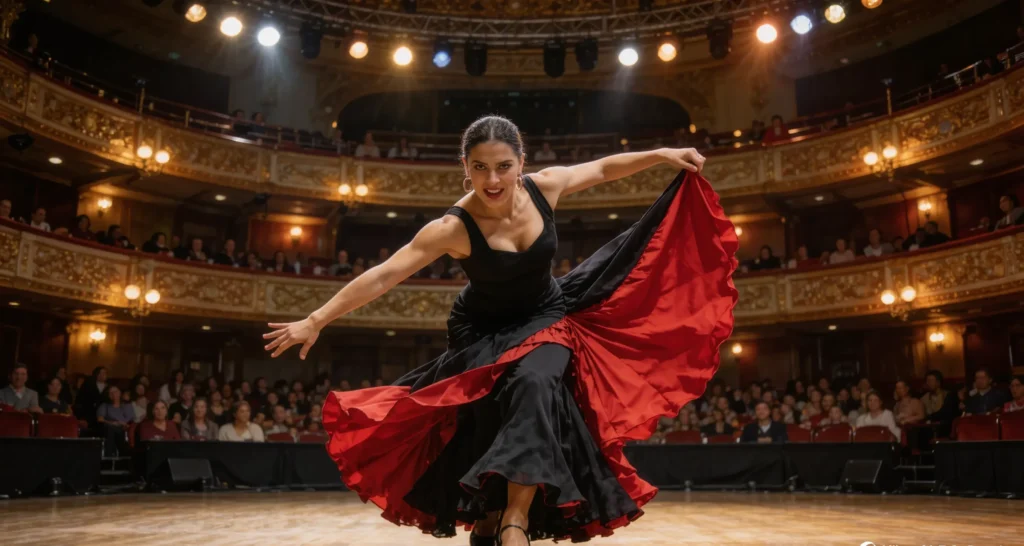
Technique gets people’s attention. Emotion is what keeps it. You’ve probably seen dancers who aren’t the most technical in the room, yet everyone is glued to them. That’s the power of emotion in dance: it turns movement into communication.
The good news is that expressiveness isn’t only for naturally dramatic people. It can be practiced like any other skill. Here’s how.
Why Emotion Matters
- It creates connection. Audiences feel what you feel, and that’s what they remember.
- It makes you memorable. Technically perfect but empty dancing fades quickly; emotional dancing sticks.
- It wins battles. Judges respond to character, attitude and feeling, not just moves.
- It makes simple choreography powerful. A basic routine performed with real emotion can outshine a complex one done blankly.
1. Start With the Music
Every song carries a mood: aggressive, playful, heartbroken, confident, dark, joyful. Before you dance, listen to the track and ask:
- How does this song make me feel?
- What’s the story or attitude behind it?
- Does the mood change during the song?
Your job is to show that feeling with your body. Lyrics can help, but the beat, tempo and sound matter just as much. A heavy, dark instrumental calls for different energy than a bright, bouncy one.
2. Connect It to Something Real
Faking emotion usually looks fake. Instead, link the music to a real memory or feeling of your own. If the track feels confident, think of a time you felt unstoppable. If it feels sad, recall a moment of loss or longing.
You don’t need to share the memory with anyone. Simply using it gives your movement genuine weight.
3. Let Emotion Change How You Move
Emotion isn’t only on your face. It changes the quality of your movement:
| Emotion | Movement quality |
|---|---|
| Anger or aggression | Sharp, heavy, grounded, sudden |
| Joy | Light, bouncy, open, quick |
| Sadness | Slow, heavy, inward, sustained |
| Confidence | Big, open, deliberate, steady |
| Mystery or tension | Controlled, slow, suspended, sharp stops |
Drill: one move, five feelings. Pick a simple eight-count. Perform it five times, each with a different emotion from the table. Film it. You’ll see how dramatically the same steps change.
4. Use Your Face, Naturally
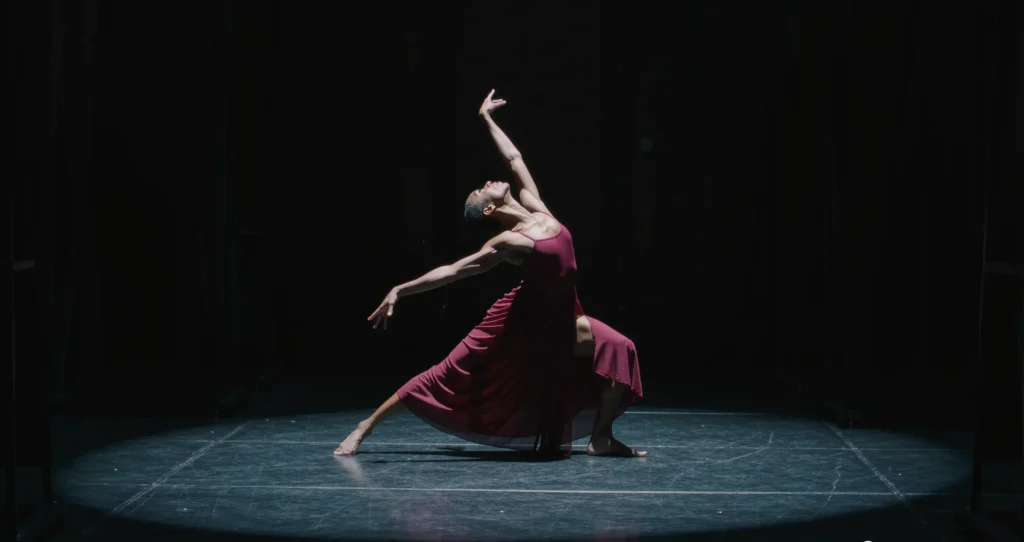
Your face is one of the clearest signals of emotion, but forced expressions look awkward. Let your face respond to the feeling rather than “putting on” an expression. Practicing in the mirror helps you see what reads clearly. For more, read how to use facial expressions in dance.
5. Use Your Eyes
Where you look tells a story. Looking down can show sadness or introspection. A direct stare can show confidence or challenge, which is powerful in battles. Looking up and out can show hope or freedom. Decide where your eyes go, just like you decide where your arms go.
6. Use Dynamics and Stillness
Emotion lives in contrast. A sudden stop after fast movement can feel shocking. A slow, held moment can feel heavy with meaning. Don’t fill every count with movement; sometimes stillness says the most.
7. Get Out of Your Head
It’s hard to feel anything while you’re anxiously remembering steps. Know your choreography well enough that you can stop thinking about it and focus on the feeling. Freestyle practice also helps, since it trains you to react to the music in the moment.
Common Mistakes
- Smiling through every song regardless of mood.
- Forcing exaggerated faces that don’t match the movement.
- Keeping the same energy for the whole performance.
- Focusing so hard on steps that your face goes blank.
- Copying another dancer’s emotion instead of finding your own.
Frequently Asked Questions
How can I show more emotion when I dance?
Listen closely to the music’s mood, connect it to a real feeling, let that feeling change the quality of your movement, and use your face, eyes and stillness to express it.
Why do I look emotionless when I dance?
Usually because you’re concentrating on the steps. Drill choreography until it’s automatic so your mind is free to focus on feeling.
Do you need to feel the emotion to show it?
It helps a lot. Real feeling, even from an unrelated memory, looks far more convincing than forced expression.
Does emotion matter in street dance battles?
Yes. Character, attitude and how you respond to the music are big parts of what judges and crowds react to.
The Bottom Line
Emotion in dance is what turns movement into a story. Start with the music’s mood, connect it to something real, and let that feeling shape how you move, not just your face. Use your eyes, dynamics and stillness to communicate. Technique impresses people. Emotion is what they remember.
Leave a Reply