
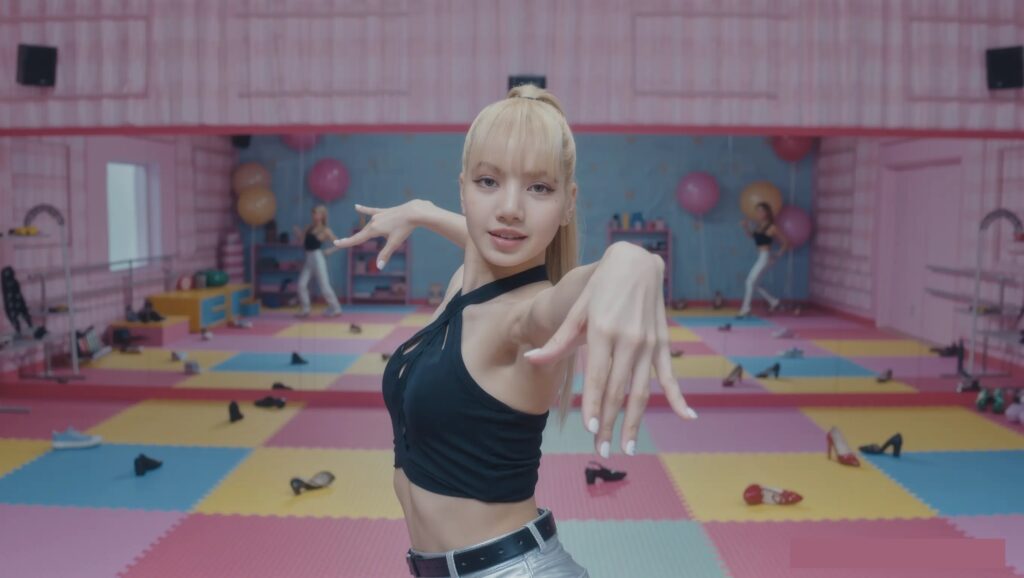
You can hit every move perfectly, but if your face is blank, the performance falls flat. Facial expressions in dance are what tell the audience how to feel about what they’re seeing. A smirk can turn a simple step into attitude. A focused stare can make a battle round feel like a challenge. A genuine smile can make a whole room light up.
The tricky part is making expressions look natural rather than forced. Here’s how.
Why Your Face Matters So Much
- It’s where people look. Audiences instinctively watch faces, especially on camera.
- It sets the mood. Your expression tells people whether a piece is playful, aggressive, emotional or confident.
- It makes you memorable. Expressive dancers are easier to connect with and remember.
- It completes the movement. Body and face working together look far more convincing than body alone.
The Most Common Problem: The “Concentration Face”
Many dancers default to a tense, blank or frowning expression while they focus on steps. It’s completely natural, but to an audience it can look bored, nervous or unhappy.
The first step is simply noticing it. Film yourself dancing and watch only your face. Most dancers are surprised by what they see.
1. Let the Music Lead
Your expression should come from the song, not from a generic “performance face.” Before you dance, listen and ask what feeling the music carries: confident, dark, playful, heartbroken, hype?
Then let that feeling show. A heavy, gritty track doesn’t call for a big smile. A bright, bouncy one probably doesn’t call for a scowl. For more on matching mood, read how to show more emotion when you dance.
2. Feel It, Don’t Fake It
Forced expressions look like masks. Real ones come from real feeling. Connect the music to a genuine memory or emotion, and let your face respond on its own.
If you’re performing a confident piece, think about a moment you felt unstoppable. Your face will follow your thoughts more naturally than if you try to “put on” an expression.
3. Use Your Eyes
Most of an expression lives in the eyes. A smile without the eyes looks fake; a stare with intent looks powerful. Practice using your eyes on purpose:
- Narrowed and focused for intensity or challenge.
- Wide and bright for excitement or surprise.
- Soft and lowered for sadness or introspection.
- Direct eye contact for confidence and connection.
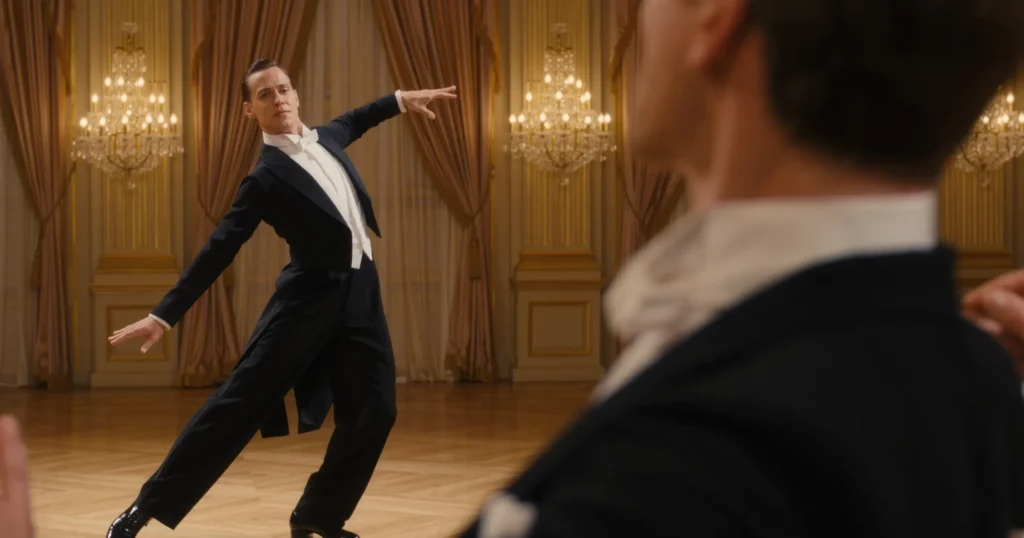
4. Practice in the Mirror, Then Away From It
The mirror helps you see what reads clearly. Try different expressions for the same eight-count and notice which ones look natural.
But don’t rely on the mirror forever. It can make you self-conscious and pull your eyes in the wrong direction. Once you know what works, practice without it and check your face on video instead.
5. Change Expressions With the Music
Songs change, and your face should too. A breakdown might call for focus, a drop for intensity, a playful lyric for a smirk. Planning a few expression changes in choreography keeps your face as dynamic as your movement.
In freestyle and battles, react in real time: a surprised look when the music switches, a grin when you land a hard move, a stare when you respond to your opponent.
6. Exaggerate Slightly on Stage
What feels like a big expression often looks small from a distance. On stage, expressions usually need to be a little bigger than in daily life to read from the back of the room. On close-up camera, keep them more subtle.
7. Relax Your Face Between Moments
Clenched jaws and tight foreheads creep in when you’re working hard. Check in during practice: relax your jaw, soften your forehead, breathe. A relaxed face is ready to express anything.
Expression Ideas by Mood
| Mood | Face |
|---|---|
| Confident | Steady gaze, slight smirk, chin level |
| Aggressive | Narrowed eyes, firm jaw, direct stare |
| Playful | Bright eyes, open smile, quick changes |
| Emotional | Soft eyes, relaxed mouth, slower changes |
| Mysterious | Neutral but intense, controlled gaze |
Frequently Asked Questions
How do I make my facial expressions look natural when dancing?
Let them come from the music and a real feeling rather than forcing them. Practice in the mirror briefly, then check yourself on video.
Why do I look angry or bored when I dance?
It’s usually your “concentration face.” Know your steps well enough that you can relax and focus on expressing the music.
Should I always smile when I dance?
No. Smile when the music calls for it. Many styles and songs suit intensity, attitude or emotion far better than a constant smile.
Do facial expressions matter in dance battles?
Yes. Expressions show character and attitude and help you react to the music and your opponent, all things judges and crowds respond to.
The Bottom Line
Facial expressions in dance sell your movement and connect you with your audience. Let the music lead, feel the emotion instead of faking it, use your eyes, change expressions as the song changes and adjust the size for stage or camera. Your face is half the performance, so train it like the rest of your body.
Leave a Reply