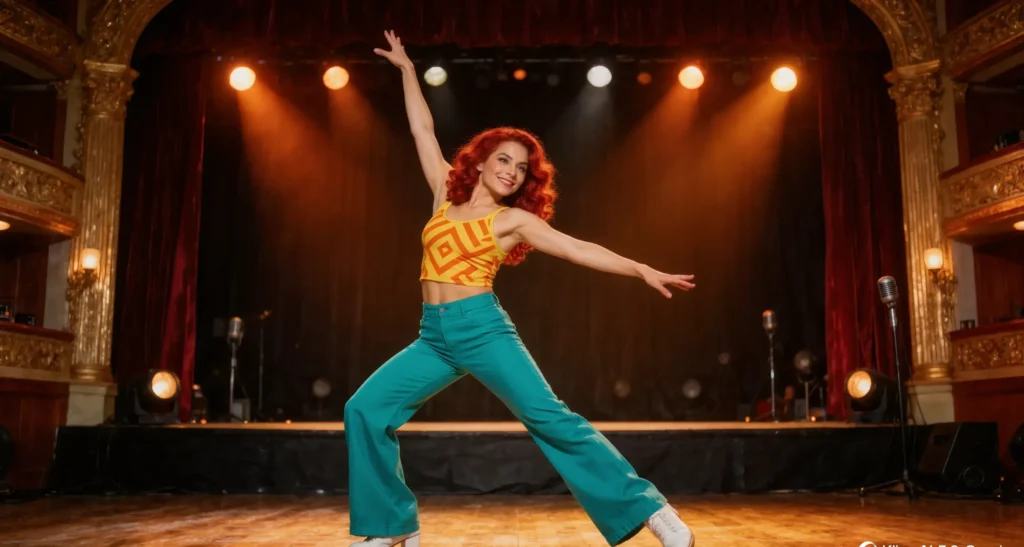
Put ten dancers in a room and teach them the same choreography. Within minutes, one or two will stand out, not because they’re doing different moves, but because they’re doing them their way. That’s personality in dance: the attitude, flavor and small choices that make movement unmistakably yours.
If you feel like your dancing looks like everyone else’s, here are eight ways to change that.
1. Know What You Bring
Start by asking what makes you, you. Are you playful? Intense? Smooth? Goofy? Elegant? Aggressive? Your natural personality off the dance floor is the best starting point for your personality on it.
Ask friends how they’d describe your energy in three words. Then look for ways to let those qualities show up when you move.
2. Add Your Own Details to Choreography
You don’t need to change choreography to personalize it. Small details make a big difference:
- A head tilt or a look at the end of a phrase.
- A slightly different hand shape.
- A shoulder shrug or a bounce in a transition.
- A pause before a hit to build anticipation.
Stay respectful of the choreographer’s vision, especially in group pieces. But within each move, there’s almost always room for your flavor.
3. Play With Dynamics
Personality often lives in how you hit a move: sharp or soft, fast or delayed, heavy or light. Two dancers can do the same step and look completely different just by changing their dynamics.
Experiment by running a combo several ways, playful, aggressive, laid-back, and notice which feels most like you.
4. Use Your Face
Your face communicates attitude instantly. A smirk, a stare, a laugh or a look of total focus all tell the audience who you are. Let your expressions come naturally from the music and your mood rather than forcing them. Read how to use facial expressions in dance for practical tips.
5. Develop Signature Moves
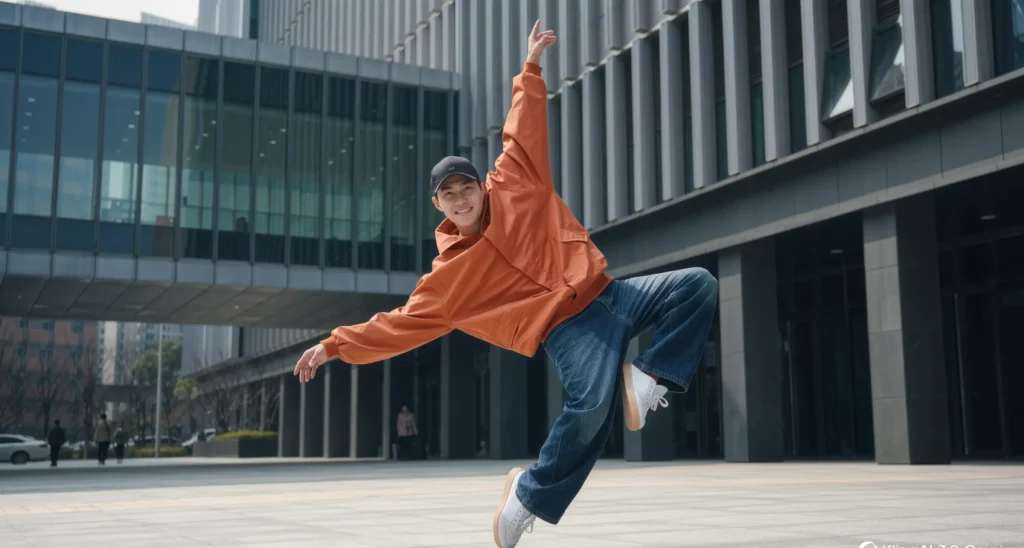
Many memorable dancers have a move, a pose or a habit people associate with them. It might be a specific freeze, a way of entering the floor, or a recurring gesture.
Pay attention to moves you naturally return to when freestyling. Refine one or two of them into signatures. In battles, signature moments help judges and crowds remember you round after round.
6. Let the Music Guide Your Character
Different songs invite different characters. A gritty, heavy track might bring out a tough, grounded version of you. A bouncy, upbeat song might bring out your playful side. Personality doesn’t mean being identical every time; it means being authentically you within each song’s world.
7. Interact
Personality shines when you engage with what’s around you: the audience, the judges, your opponent, your crew, or even the DJ. A look, a gesture or a reaction can show who you are more than any move. Battle dancers are masters of this, using responses, callouts and playful moments to show character.
8. Stop Copying, Start Blending
Everyone learns by copying, and that’s a good thing. The problem comes when you only copy one dancer. You end up as a less convincing version of them.
Instead, study many dancers, take small elements from each, and blend them with your own natural movement. Over time, that blend becomes your style. Our guide on how to develop your own unique dance style goes deeper.
Personality Practice Drill
- Pick one eight-count of choreography.
- Perform it straight, exactly as taught.
- Perform it again, adding one personal detail.
- Perform it again with a different attitude: playful, intense or relaxed.
- Watch the videos and decide which version feels most like you.
Do this regularly and your natural personality will start showing up without you forcing it.
Frequently Asked Questions
How can I add personality to my dancing?
Add small personal details to choreography, play with dynamics, use natural facial expressions, develop signature moves and interact with your audience or opponents.
What if I’m shy?
Shy dancers can have powerful personalities on stage. Personality doesn’t have to be loud; quiet intensity and subtle details can be just as captivating.
Will adding personality ruin choreography?
Not if you respect the structure. Keep the steps, counts and spacing, and add personality through dynamics, expression and small details.
Why does my dancing look generic?
Usually because you’re copying exactly what you see without adding your own choices. Small, consistent personal details make a big difference.
The Bottom Line
Personality in dance is what makes people remember you, not just the moves. Know what you naturally bring, add your own details, play with dynamics, use your face, build signature moments and interact with the people around you. Learn from others, but blend instead of copying. That’s how you stop blending in.
Leave a Reply