
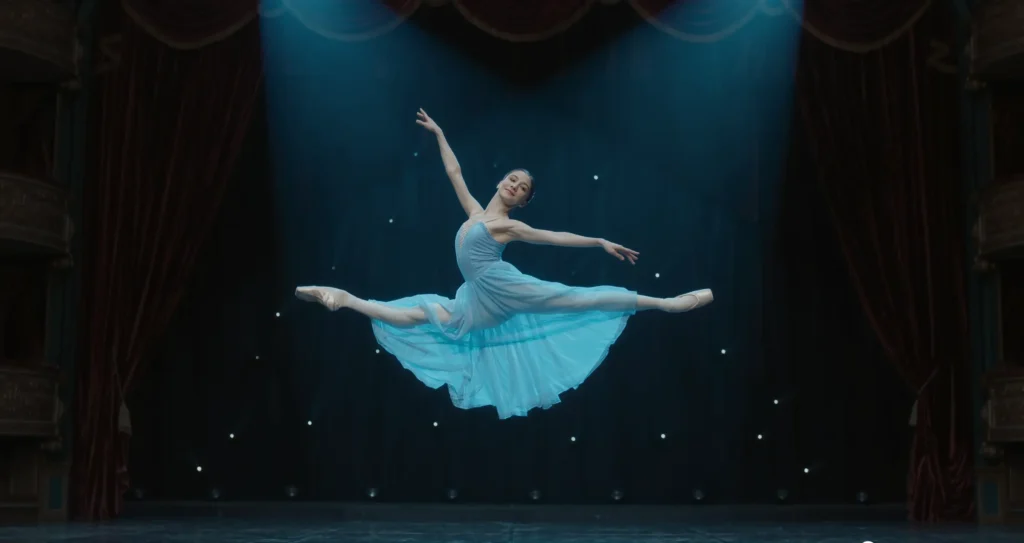
Big jumps are some of the most eye-catching moments in dance. A high leap in contemporary, an explosive jump in a battle round or a clean landing into a freeze instantly grabs attention. But jumping is also high impact, and poor landings are a common cause of knee and ankle problems.
If you want to know how to jump higher in dance, you need to train two things together: power to get up, and controlto come down safely.
What Makes a Dancer Jump Higher?
Jump height comes from a combination of:
- Leg strength: strong calves, quads, hamstrings and glutes.
- Explosive power: how quickly those muscles can produce force.
- Technique: a deep, well-timed plié and full push through the feet.
- Core control: keeping your body tight in the air so energy isn’t wasted.
- Arm drive: using your arms to add upward momentum.
Improve each of these and your jumps get higher.
1. Use Your Plié Properly
The plié (knee bend) before a jump is where your power comes from. Too shallow, and you can’t generate much force. Too slow or too deep, and you lose the elastic spring.
Bend your knees smoothly over your toes, keep your heels down, and push through the floor in one continuous motion. Think “down to go up,” not “squat, pause, jump.”
2. Push Through Your Whole Foot
Many dancers leave the floor from the middle of the foot, which wastes height. Roll through your foot as you take off: heel, ball, toes. The final push from your toes and ankles adds valuable extra height.
Strong calves and ankles make a big difference here. Calf raises and jump rope are great for building them.
3. Drive With Your Arms
Your arms can add a surprising amount of height. Swing them upward as you push off, timed with your legs. Even in styles where arms aren’t usually emphasized, a quick upward arm drive helps your body lift.
4. Stay Tight in the Air
If your body goes loose mid-air, your energy scatters and you come down sooner. Engage your core and keep your shape clean while you’re in the air. This also makes your jumps look more controlled and impressive. See the best core exercises for dancers to build this strength.
5. Land Softly: The Most Important Part
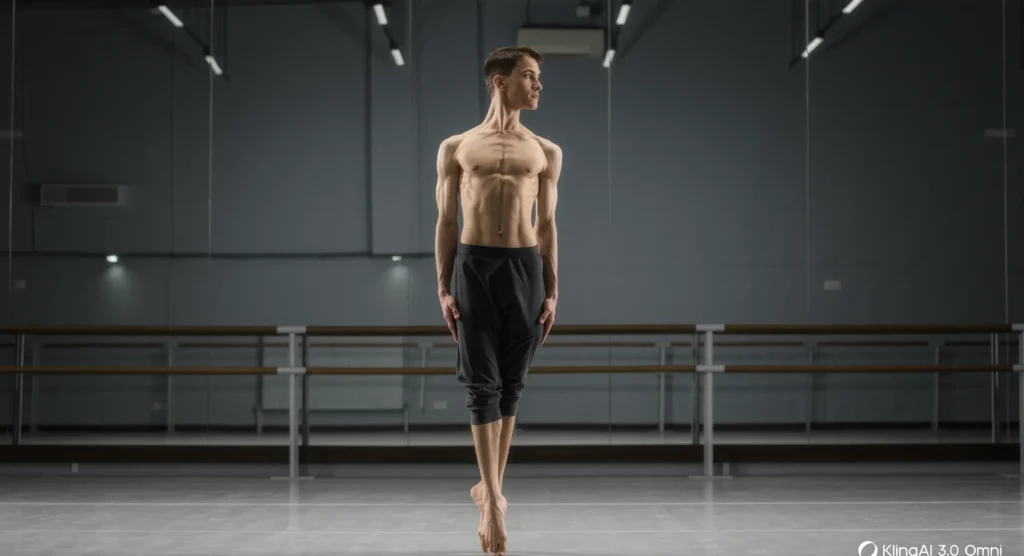
A safe landing protects your joints and lets you move straight into your next movement. Follow this sequence:
- Land toes first, then roll through the ball of your foot to your heel.
- Bend your knees to absorb the impact. Never land with straight, locked legs.
- Keep knees over toes, not caving inward.
- Engage your core so your upper body doesn’t collapse.
- Land quietly. A loud landing usually means you’re not absorbing the impact well.
Drill: stick the landing. Do small jumps and land, holding the landing position still for two seconds. Focus on making each landing as quiet and controlled as possible. Only increase height once your landings are consistently soft.
6. Train Plyometrics
Plyometrics are exercises that train your muscles to produce force quickly, exactly what jumping needs.
| Exercise | How to do it | Sets / Reps |
|---|---|---|
| Squat jumps | Squat down, then jump straight up explosively | 3 x 8 |
| Tuck jumps | Jump and pull your knees up towards your chest | 3 x 6 |
| Pogo hops | Small, quick bounces on the balls of your feet with straight-ish legs | 3 x 20 |
| Single-leg hops | Hop forward on one leg and land softly | 3 x 6 each leg |
| Box or step jumps | Jump onto a low, sturdy step and step down | 3 x 6 |
Do plyometrics two or three times a week, when you’re fresh rather than at the end of an exhausting session. Quality matters more than quantity. For more, read how to build explosive strength for dance jumps.
7. Build Leg Strength
Plyometrics work best on a foundation of strength. Squats, lunges, calf raises and glute bridges all support higher jumps and safer landings. Find a full program in the best leg exercises for dancers.
Jumping Safety Tips
- Always warm up before jumping.
- Jump on a sprung floor or a surface with some give when possible, not concrete.
- Wear suitable footwear for your style and surface.
- Build volume gradually, especially if you’re new to jump training.
- Stop if you feel sharp pain in your knees, ankles or back.
Frequently Asked Questions
How can I jump higher in dance?
Strengthen your legs, train plyometrics, use a strong plié, push through your whole foot and drive with your arms. Consistent training over several weeks brings noticeable gains.
How do I land jumps without hurting my knees?
Land toes first, roll down to your heels, bend your knees to absorb the impact and keep your knees in line with your toes.
How often should dancers do jump training?
Two or three plyometric sessions a week is plenty for most dancers. Allow recovery time between sessions.
Do I need a gym to train jumps?
No. Squat jumps, tuck jumps, pogo hops and single-leg hops can all be done at home with a safe surface.
If you have existing knee, ankle or back problems, speak to a doctor or physiotherapist before starting jump training.
The Bottom Line
Learning how to jump higher in dance means building strength and explosive power while mastering soft, controlled landings. Use your plié, push through your feet, drive with your arms and stay tight in the air. Then land quietly with bent knees. Train both sides of the jump, the way up and the way down, and your jumps will get bigger and safer.
Leave a Reply