
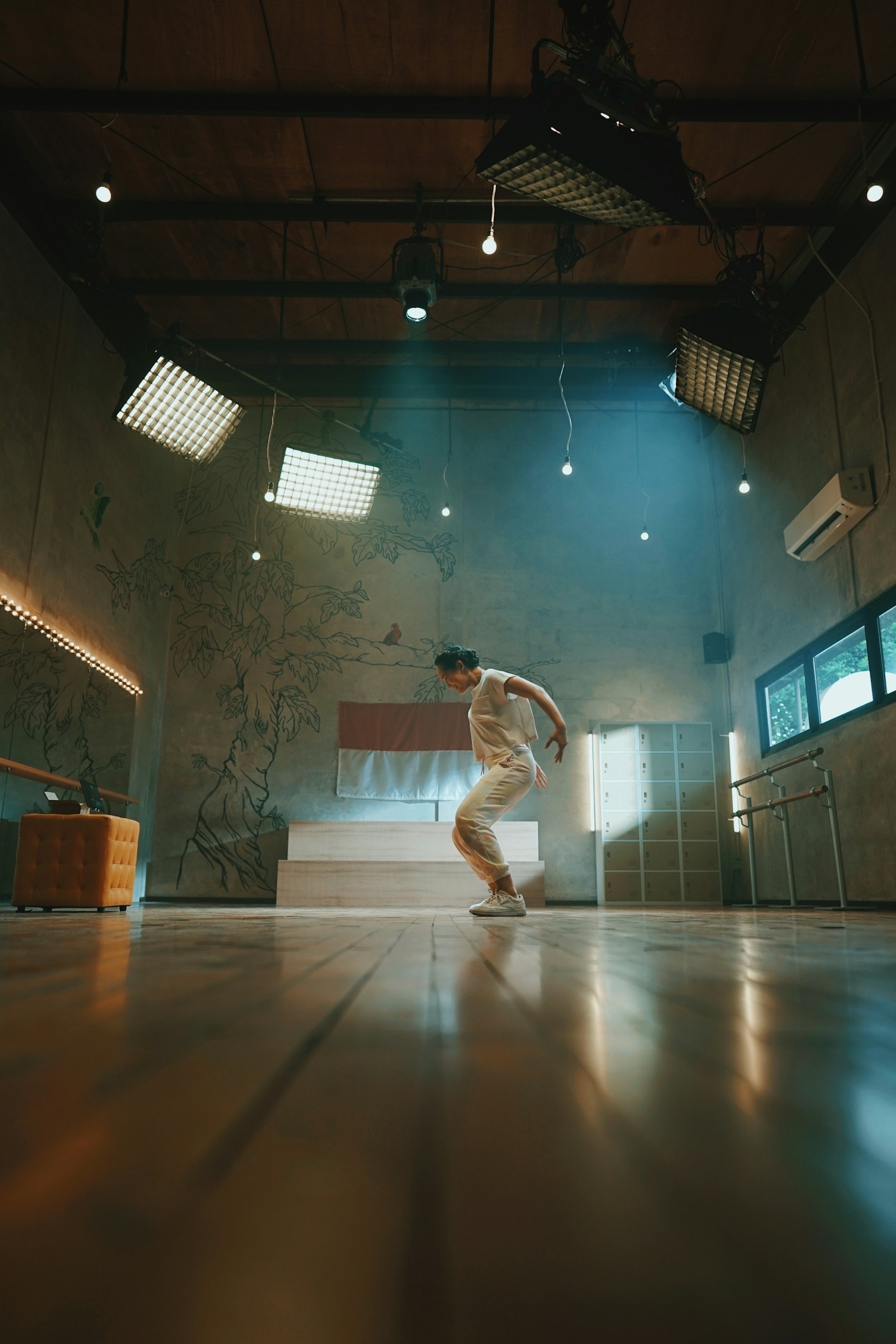

Every dancer who looks effortless in a battle, on stage or in a viral clip started exactly where you are: stiff, a little off the beat, and unsure what to practice. The good news is that you can improve dance technique much faster than most beginners expect, as long as you train the right things in the right order.
Technique isn’t about memorizing more moves. It’s about control: how you hold your body, how you move your weight, and how precisely you hit the music. Get those foundations right and every style you learn afterwards, from hip-hop and breaking to contemporary and ballet, becomes easier.

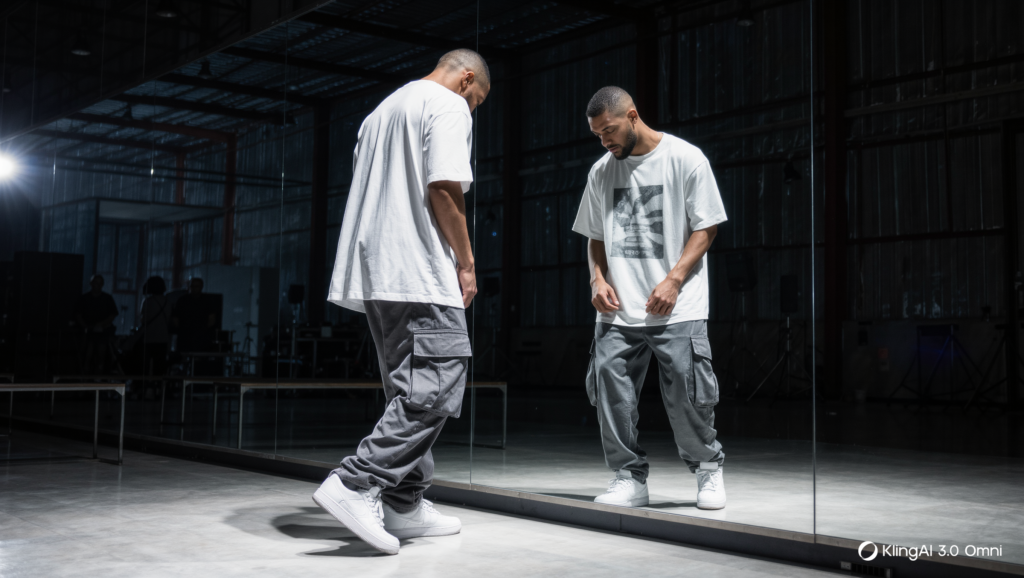
Here’s where to focus.
What “Dance Technique” Actually Means
Beginners often think technique means doing harder moves. It doesn’t. Dance technique is the skill of executing movement with control, accuracy and intention. It covers five things:
- Posture and alignment: how your spine, hips and shoulders stack.
- Weight transfer: how smoothly you shift from one foot to the other.
- Footwork: how precisely and quickly your feet move.
- Timing and musicality: how accurately you move with the music.
- Control: whether you can start, stop and change direction on purpose.
When experienced dancers watch a beginner, these are what they notice first. Not the difficulty of the move, but how clean it is.
1. Build Your Posture Before Anything Else
Almost every technique problem traces back to posture. If your chest collapses, your shoulders creep up or your knees lock, your movement will look heavy and unbalanced no matter how much you practice.
Try this quick reset before every session:
- Stand with feet hip-width apart and knees soft, never locked.
- Stack your ribs over your hips instead of pushing your chest out.
- Drop your shoulders away from your ears.
- Lightly engage your core, as if bracing for someone to tap your stomach.
Hold that position for 30 seconds, then start moving and try to keep it. For a full breakdown, see our guide on how to fix your dance posture.
2. Master Weight Transfer
Watch any skilled dancer closely and you’ll see their weight is always somewhere deliberate. Beginners tend to sit in the middle, which makes them look hesitant.
Drill: the weight-shift bounce. Put on a song around 90 to 100 BPM. Shift your full weight onto your right foot on count 1, left foot on count 2, and keep going. Let your knees bend as you land. Once that feels natural, add a small bounce or rock. This single drill is the base of grooves in almost every street style, and it teaches your body to commit to each step.
3. Train Footwork in Slow Motion
Speed is the last thing to add. Learn any footwork pattern at half speed first, until you can do it without looking at your feet. Then increase the tempo step by step.
A useful rule: if you can’t do a move cleanly at half speed, you can’t do it cleanly at full speed. You’re just hiding the mess. Our 7 easy ways to improve your dance footwork gives you drills to build speed without losing precision.
4. Learn to Count and Hear the Music
Timing is the quickest way to look like a better dancer overnight. Most popular music is built on counts of eight. Practice counting “1, 2, 3, 4, 5, 6, 7, 8” out loud over songs you like, clapping on 1 and 5.
Then start listening for layers. The kick drum usually lands on 1 and 3, the snare on 2 and 4. When you can hear those separately, you can choose which one to hit, and that’s where musicality begins. Read more in how to develop musicality and dance on beat.
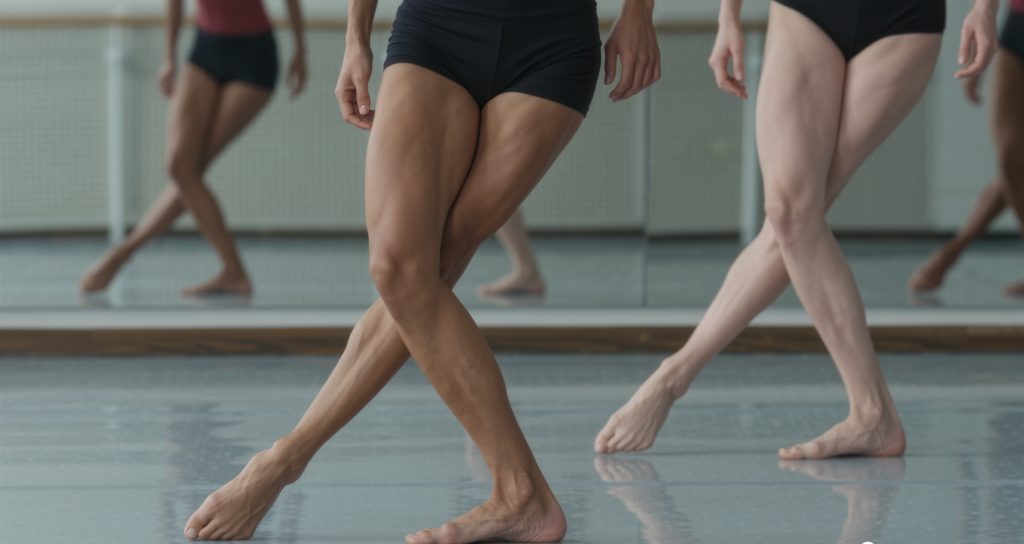
5. Practice Stopping, Not Just Moving
Control shows most clearly in the moments you stop. A move that ends in a wobble looks unfinished; a move that ends dead still looks sharp.
Drill: freeze on command. Freestyle to a track and have a friend (or a random timer app) call “freeze” at random moments. Hold whatever shape you’re in for two full seconds without wobbling. It trains balance, core strength and body awareness all at once. In battles, this is the difference between a round that looks sloppy and one that looks deliberate.
6. Film Yourself Every Week
Your body feels different from how it looks. Filming yourself is the fastest feedback loop available to a beginner, and it’s free.
Record the same short routine or freestyle once a week. Watch it back and look for one thing only (posture one week, timing the next). Trying to fix everything at once is overwhelming. Trying to fix one thing each week adds up fast. Keep the old clips, too. Looking back after three months is one of the best motivators you’ll find.
7. Short Daily Practice Beats Long Weekly Sessions
Twenty focused minutes every day will improve your technique far more than one three-hour session on the weekend. Your body learns movement through repetition and rest, and frequent short sessions give it more of both.
A simple 20-minute beginner session:
| Time | Focus |
|---|---|
| 0–5 min | Warm-up and posture reset |
| 5–10 min | Weight-shift and groove drills |
| 10–15 min | One footwork pattern, slow then faster |
| 15–20 min | Freestyle to one song, then the freeze drill |
8. Watch Dancers With Purpose
Watching dance videos helps, but only if you watch actively. Pick one dancer and study one element: where their weight sits, what their arms do between moves, how they finish a phrase. Then try to copy that single detail in your next session.
Battle footage is especially useful here. Dancers in battles are improvising under pressure, so you see their real foundations, not polished choreography.
Common Beginner Mistakes to Avoid
- Locking the knees, which makes movement stiff and strains the joints.
- Looking at the floor instead of forward.
- Rushing ahead of the beat when nervous.
- Learning too many moves instead of perfecting a few.
- Skipping the warm-up.
We cover these in depth in 10 common dance mistakes beginners should avoid.
Frequently Asked Questions
How long does it take to improve dance technique?
With consistent practice of around 20 to 30 minutes a day, most beginners notice clearer posture, timing and control within four to eight weeks. Visible style and confidence usually take a few months.
Can I improve my dance technique at home?
Yes. Posture, weight transfer, footwork, timing and control can all be trained in a small space with a phone to film yourself. Classes add feedback, but home practice is where most improvement happens.
What dance style is best for building technique?
Any style builds technique if you train the foundations. Many dancers cross-train: ballet or contemporary for lines and balance, hip-hop and breaking for groove, rhythm and power.
Do I need to be flexible to have good technique?
No. Flexibility helps with certain shapes, but control, timing and posture matter far more for beginners. Flexibility can be built safely over time.
The Bottom Line
To improve dance technique as a beginner, stop chasing harder moves and start owning the basics: posture, weight transfer, footwork, timing and control. Practice a little every day, film yourself, and fix one thing at a time. Clean fundamentals are what make a dancer look experienced, whether you’re in a studio or in the middle of a cypher.
Leave a Reply