
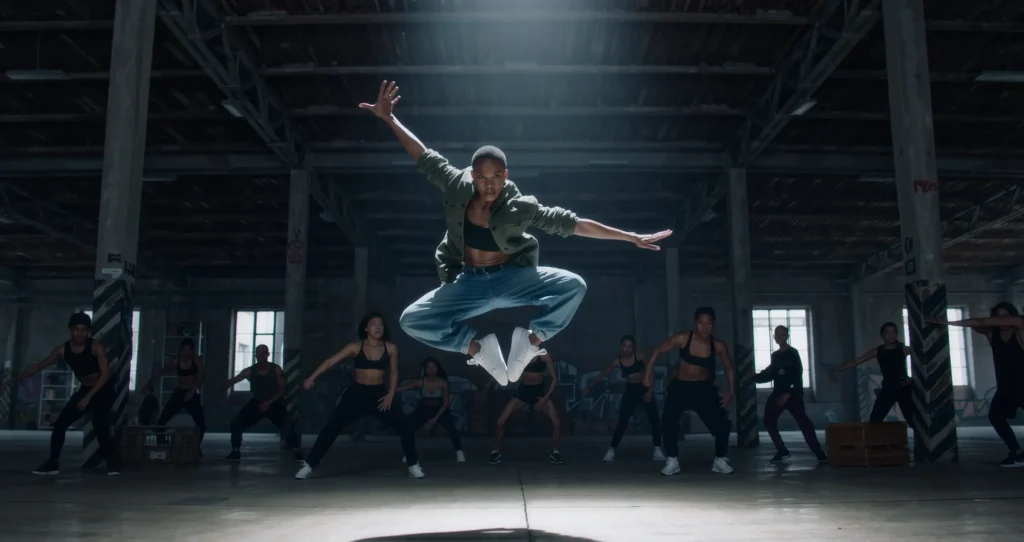
You can have clean technique, big tricks and great style, and still look off if your timing is wrong. Musical timing in dance is the connection between your body and the music. Without it, movement is just exercise. With it, even simple steps look like dancing.
This article explains why timing matters so much, how audiences and judges notice it, and what good timing actually looks like. For step-by-step drills, see our companion guide on how to develop musicality and dance on beat.
What Is Musical Timing?
Musical timing is your ability to move in sync with the music’s beat and rhythm. At its most basic, it means stepping on the beat. At a higher level, it means choosing which sounds to hit, when to pause, when to move slower or faster, and how to match the music’s energy.
It’s worth separating two related ideas:
- Timing is accuracy: are you on the beat or not?
- Musicality is interpretation: how creatively do you express the music?
Timing comes first. You can’t play with the music until you’re locked into it.
1. Timing Is the First Thing People Notice
Most audiences can’t explain technique, but almost everyone can feel when a dancer is off the beat. It creates an uncomfortable mismatch between what they hear and what they see.
This makes timing one of the most visible skills in dance. A beginner with great timing often looks better than an advanced dancer who rushes the music.
2. Judges Score It Directly
In battles and competitions, musicality is one of the main things judges look for. In street dance battles especially, judges reward dancers who respond to the music in the moment, hitting unexpected accents and riding breaks and drops.
A dancer with fewer tricks but sharper musical timing will often beat a dancer who throws big moves without listening. In a battle, the music isn’t background. It’s half of what you’re being judged on.
3. It Makes Simple Moves Look Better
A basic step done exactly on time looks clean and confident. The same step slightly off looks unsure. Timing adds polish to everything, which is why it’s one of the fastest ways to look like a better dancer. It’s also a key reason some dancers can make simple dance moves look impressive.
4. It Keeps Groups Together
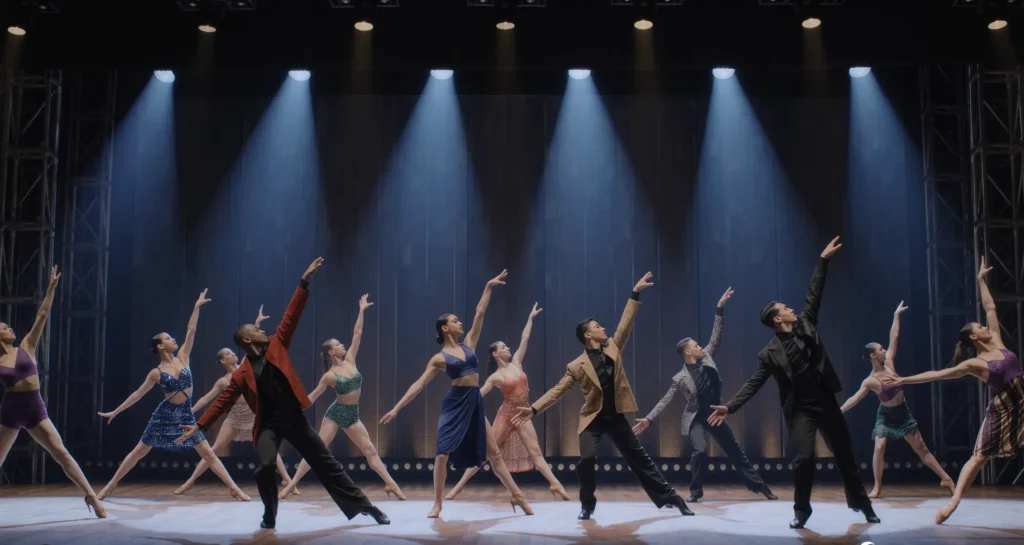
In group choreography, timing is what makes ten dancers look like one unit. If even one person is ahead or behind, the whole group looks messy. Strong individual timing is the foundation of tight group work.
5. It Makes Learning Choreography Easier
Choreography is built on counts. When your timing is strong, you can attach moves to numbers and learn routines much faster. Read how to learn fast choreography without getting lost for more.
6. It Gives You Creative Freedom
Once you’re solidly on the beat, you can start playing: hitting a vocal line, catching a snare roll, moving in half-time over a fast beat, or freezing on a silence. That’s where personal style shows up. Timing isn’t a limit on creativity. It’s what unlocks it.
What Good Timing Looks Like
| Level | What it looks like |
|---|---|
| Beginner | Steps land on the main beat consistently |
| Intermediate | Hits specific sounds like kick and snare on purpose |
| Advanced | Switches between layers, uses pauses, plays with half-time and double-time |
| Battle-ready | Reacts to unfamiliar music instantly and catches unexpected accents |
Signs Your Timing Needs Work
- You feel like you’re “chasing” the music.
- You speed up when nervous.
- Your moves land between beats on video.
- You struggle to find the start of an eight-count.
- You only feel confident to songs you know well.
If any of these sound familiar, the drills in our guide to dancing on beat will help.
Frequently Asked Questions
Why is timing important in dance?
Timing connects your movement to the music. It’s the first thing audiences notice, a major scoring factor in battles and competitions, and it makes every move look cleaner.
Is musical timing the same as musicality?
Not quite. Timing is being accurately on the beat. Musicality is how creatively you interpret the music once you’re on it.
Can you learn good timing if you don’t have rhythm?
Yes. Timing is a learnable skill. Counting music, clapping along and practicing with clear beats improves it for almost everyone.
How do judges assess timing in a dance battle?
They watch how well you respond to the music, especially unfamiliar tracks, and whether you catch accents, breaks and changes in energy.
The Bottom Line
Musical timing in dance is what makes movement look like dance. It’s the first thing people notice, a key part of how you’re judged, and the foundation for musicality and personal style. Before chasing harder moves, make sure you’re truly locked into the music. Everything else builds on it.
Leave a Reply