
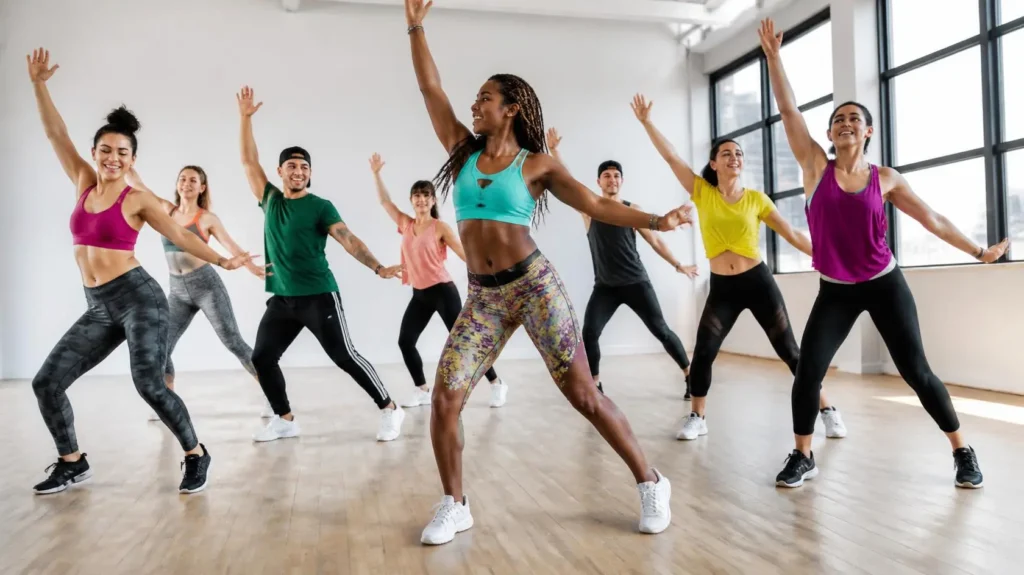
Dance is cardio, so do dancers really need extra cardio training? For most, the answer is yes. Dance practice often involves stopping and starting, learning, repeating and resting, which means your heart and lungs may not get the steady training they need to handle full routines, long sets or back-to-back battle rounds.
The right cardio for dancers fills that gap without adding unnecessary wear on your joints. Here’s how it helps and which types work best.
How Cardio Improves Dance Performance
- More stamina: you can dance longer before fatiguing.
- Faster recovery between rounds, routines and sections.
- Sharper technique late in a performance, because you’re less tired.
- Better focus, since fatigue affects your brain as well as your body.
- Better overall health, supporting long-term training.
Steady Cardio vs. Intervals
| Type | What it is | Benefit for dancers |
|---|---|---|
| Steady-state | Moderate effort for 20–45 minutes | Builds your aerobic base for long routines |
| Intervals | Short hard bursts with rest | Prepares you for intense rounds and peaks |
Most dancers benefit from a mix of both.
The Best Types of Cardio for Dancers
1. Cycling
Low impact and easy on the joints, cycling builds leg endurance without the pounding of running. Great for steady-state sessions or intervals.
2. Swimming
Full-body, zero impact and excellent for breathing control. Swimming is ideal for dancers who already put a lot of load on their legs.
3. Jump Rope
One of the best options for dancers. It builds stamina, rhythm, coordination and ankle strength all at once, and it’s portable.
4. Rowing
Works your legs, core and upper body together. Great for building power endurance, which is useful for breakers and power-move dancers.
5. Dance-Based Cardio
Freestyling continuously for a set time, or running routines back to back, is the most specific cardio of all. It trains your body for exactly what you’ll do on stage.
6. Running
Running builds aerobic fitness, but it adds high repetitive impact on top of jumps and landings. Some dancers love it, but it’s not essential. See how to improve dance endurance without running.
How Much Cardio Do Dancers Need?
For most dancers, two or three sessions a week of 20 to 40 minutes on top of regular dance practice is plenty.
Sample week:
- Session 1: 30 minutes steady cycling or swimming.
- Session 2: Jump rope intervals (30 seconds fast, 30 seconds easy, 10 to 15 rounds).
- Session 3 (optional): 20 minutes continuous freestyle or full routine run-throughs.
Avoid hard cardio right before intense dance practice or performances.
Common Cardio Mistakes
- Doing only high-impact cardio on top of heavy dance training.
- Going hard every session with no easy days.
- Skipping warm-ups and cooldowns.
- Doing so much cardio that dance practice suffers.
Frequently Asked Questions
Do dancers need cardio?
Most do. Dance practice often doesn’t provide enough continuous effort to build full stamina, so extra cardio helps.
What is the best cardio for dancers?
Cycling, swimming, jump rope, rowing and dance-based intervals are great options. Low-impact choices help protect your joints.
How often should dancers do cardio?
Two or three sessions a week of 20 to 40 minutes is a good target for most dancers.
Will cardio make me lose strength or power?
Not in moderate amounts. Balanced with strength training and good recovery, cardio supports performance.
The Bottom Line
Cardio for dancers builds the stamina and recovery that keep your technique sharp from start to finish. Mix steady sessions with intervals, favor low-impact options like cycling, swimming and jump rope, and keep it to two or three sessions a week. Your last eight counts will look as good as your first.
Leave a Reply