
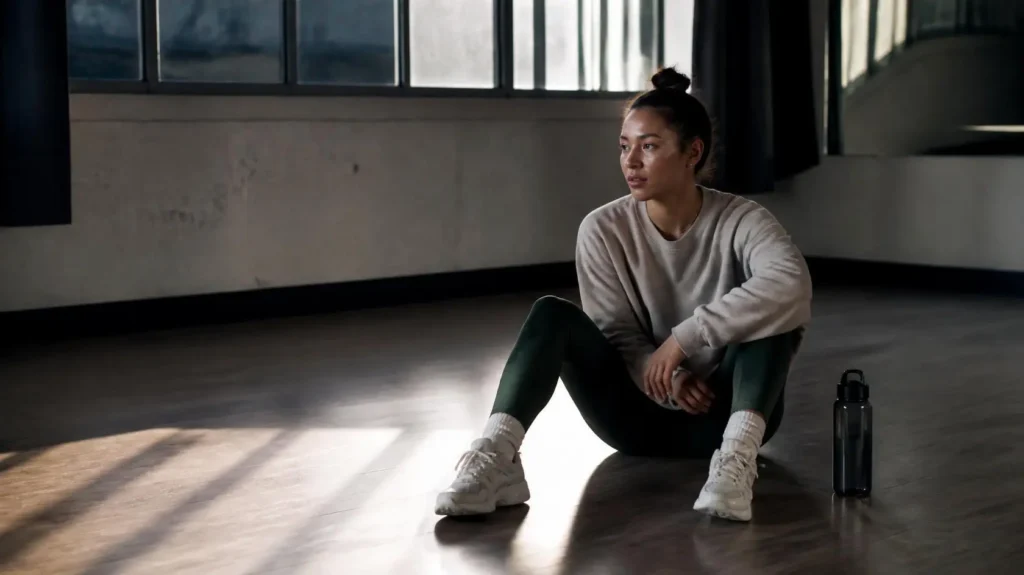
Dancers are known for their work ethic. Long rehearsals, extra practice, late-night sessions before a battle. That dedication is a strength, but it can turn into a problem when it leaves no room for rest. Rest days for dancers aren’t a sign of laziness. They’re when your body actually turns training into progress.
This article explains why rest matters and how to spot when you need more. (For specific recovery techniques, see best recovery methods for dancers.)
Training Breaks You Down. Rest Builds You Up.
When you train hard, you create small amounts of stress and damage in your muscles, tendons and nervous system. That’s normal and necessary. But the improvement doesn’t happen during training. It happens afterwards, when your body repairs itself and adapts to be ready for the next challenge.
Without enough rest, your body never finishes that process. You keep breaking down without building back up.
Why Rest Matters for Dancers
- Muscles rebuild stronger, improving power and stamina.
- Tendons and joints recover, which matters especially with all the jumping and floorwork in dance.
- Your nervous system resets, keeping your coordination and reactions sharp.
- Your brain consolidates new skills, so choreography and technique “stick” better after rest and sleep.
- Motivation stays high, preventing burnout.
Signs You’re Not Resting Enough
Overtraining sneaks up gradually. Watch for:
| Sign | What it might look like |
|---|---|
| Constant fatigue | Feeling tired even after sleeping |
| Performance drop | Jumps lower, turns wobblier, stamina worse |
| Persistent soreness | Aches that don’t fade after a few days |
| Frequent small injuries | Repeated strains or niggles |
| Poor sleep | Trouble falling or staying asleep |
| Low motivation | Dreading practice you usually enjoy |
| Irritability | Feeling unusually frustrated or flat |
If several of these sound familiar, your body is likely asking for more rest.
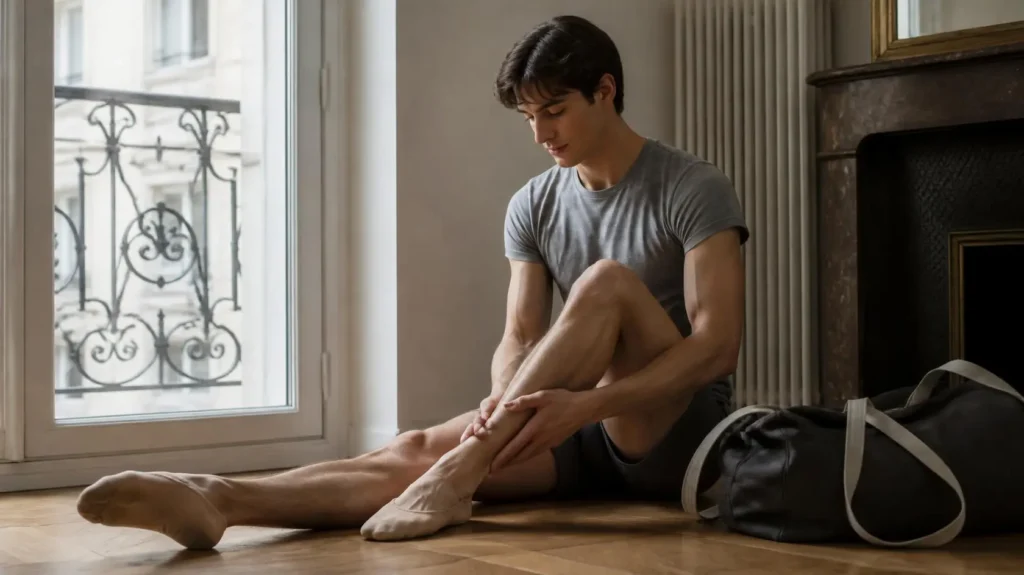
How to Rest Smart
1. Schedule Rest Days
Plan at least one full rest day a week, and more during heavy rehearsal periods. Put it in your calendar so it actually happens.
2. Use Active Recovery
Rest doesn’t have to mean lying on the couch all day. Light walking, gentle mobility or easy swimming can help you recover while staying loose.
3. Alternate Hard and Easy Days
Not every session should be maximum intensity. Follow a demanding training day with a lighter one focused on technique, musicality or freestyle at a relaxed pace.
4. Take Deload Weeks
Every four to eight weeks, reduce your training volume for a week. Many dancers come back from a lighter week feeling stronger and fresher.
5. Rest After Big Events
After a performance, competition or battle, give yourself a day or two of lighter activity before diving back into intense training.
6. Protect Your Sleep
Sleep is the most important recovery tool you have. Aim for 7 to 9 hours a night.
“But I’ll Lose Progress”
A day or two of rest won’t make you lose progress; it usually helps you gain it. Short breaks let your body catch up with the work you’ve done. It’s chronic overtraining that leads to setbacks, injuries and time off you didn’t plan.
Frequently Asked Questions
How many rest days do dancers need?
At least one full rest day a week for most dancers, with more during heavy training or rehearsal periods.
Is it bad to dance every day?
Light dancing every day can be fine, but intense training every day without recovery increases the risk of fatigue and injury.
What are the signs of overtraining in dance?
Constant fatigue, falling performance, lingering soreness, frequent small injuries, poor sleep and low motivation.
What should I do on a rest day?
Sleep well, eat well, hydrate, and consider gentle activities like walking or mobility work.
The Bottom Line
Rest days for dancers are part of training, not a break from it. Your body gets stronger, sharper and more skilled when it has time to recover. Schedule rest, alternate hard and easy days, protect your sleep and listen to the warning signs. Rest smart, and you’ll dance better for longer.
Leave a Reply