
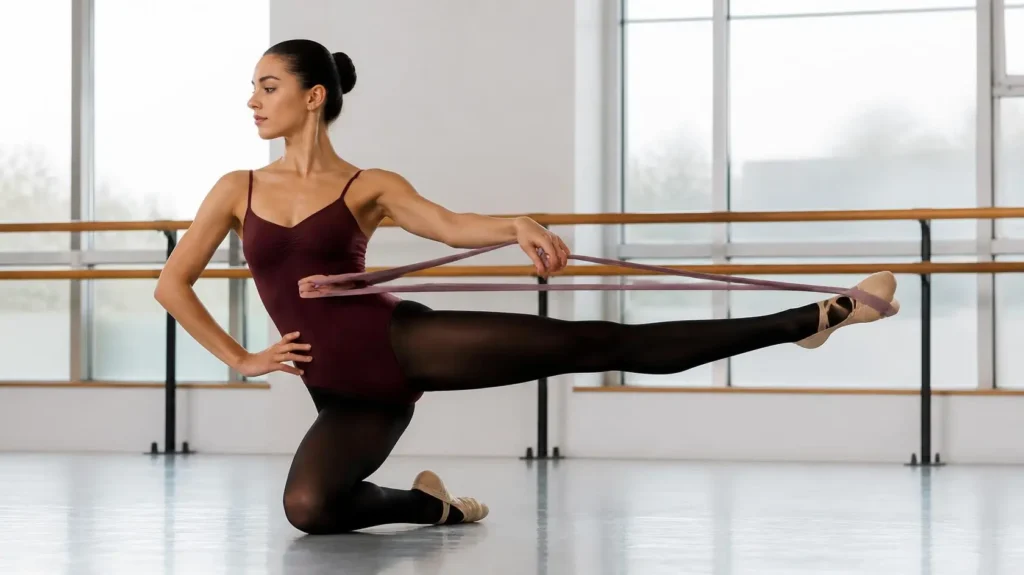
For a long time, many dancers avoided the gym, worried that lifting weights would make them bulky, stiff or less flexible. Today, dancers at every level, from street dance to ballet, are discovering the opposite. Smart strength training for dancers leads to higher jumps, more stable turns, stronger freezes, more control and fewer injuries.
This guide covers the best gym-based strength exercises for dancers and how to fit them into your week. It’s also the hub for our Fitness & Training series, so you’ll find links to every training guide along the way.
Why Dancers Need Strength Training
Dancing builds certain kinds of strength, but it doesn’t train everything evenly. Targeted strength work helps you:
- Jump higher and land safer, with stronger legs and glutes.
- Turn and balance better, with a stronger core and hips.
- Hold freezes and handle floorwork, with stronger shoulders and arms.
- Move with more control, because strong muscles can stop and direct force.
- Reduce injury risk, by strengthening joints and fixing imbalances.
And no, it won’t make you stiff, as long as you keep training flexibility and mobility alongside it.
The Best Strength Exercises for Dancers
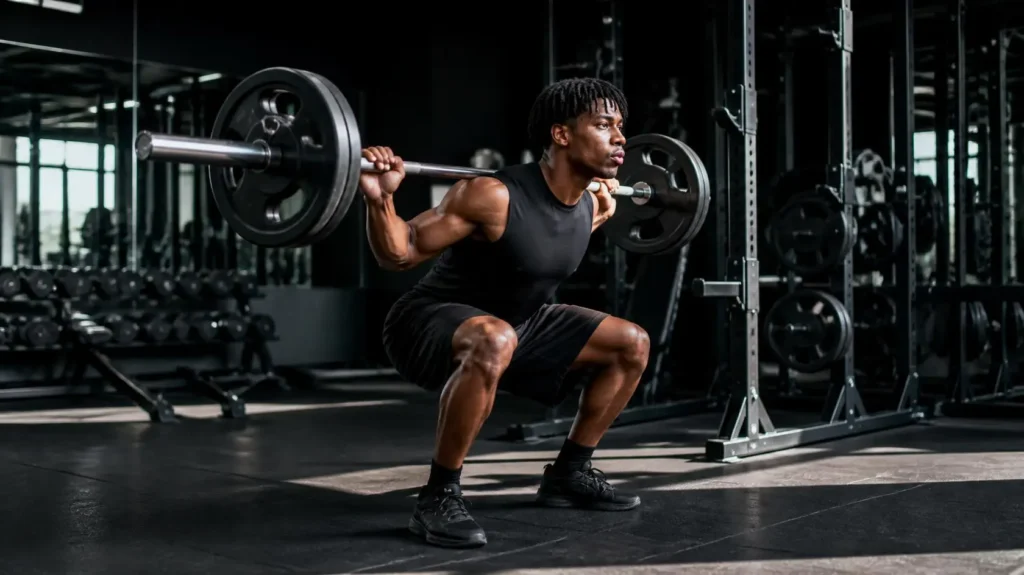
1. Squats
The foundation of lower-body strength. Squats build quads, glutes and core, all key for jumps, low stances and landings. Start with bodyweight or a goblet squat (holding a dumbbell at your chest) before progressing to a barbell.
2. Romanian Deadlifts
Strengthen the hamstrings, glutes and lower back. They support jumps, extensions and a healthy lower back during bends and drops. Keep your back straight and hinge at the hips.
3. Split Squats or Lunges
Single-leg strength is essential, because dancers spend so much time on one leg. Bulgarian split squats (back foot elevated on a bench) are especially effective.
4. Hip Thrusts or Glute Bridges
Strong glutes power jumps, stabilize the pelvis and protect the knees. Hip thrusts with a barbell or dumbbell are one of the best glute builders.
5. Calf Raises
Calves and ankles take enormous load in dance. Slow, controlled calf raises, single-leg and weighted, build resilience for jumping, relevés and fast footwork.
6. Push-Ups and Overhead Presses
Upper-body pushing strength helps with floorwork, freezes, handstands and lifts. Push-ups are a great start; dumbbell overhead presses build shoulder stability.
7. Rows and Pull-Ups
Pulling strength balances your pushing muscles and supports good posture. It’s also essential for breakers and anyone doing lifts or partner work.
8. Core Work
Planks, dead bugs, Pallof presses and hanging knee raises build the stability that connects your upper and lower body. Full routine: Best Core Exercises for Dancers.
How to Program Strength Training Around Dance
| Factor | Recommendation |
|---|---|
| Sessions per week | 2 to 3 |
| Exercises per session | 5 to 7 |
| Sets and reps | 3 to 4 sets of 6 to 12 reps |
| Rest between sets | 60 to 120 seconds |
| Timing | Ideally on lighter dance days, or after dance practice |
A sample full-body session:
- Goblet squat: 3 x 10
- Romanian deadlift: 3 x 10
- Bulgarian split squat: 3 x 8 each leg
- Push-ups: 3 x 10 to 15
- Dumbbell rows: 3 x 10 each arm
- Single-leg calf raises: 3 x 12 each leg
- Plank: 3 x 30 to 45 seconds
Key principles:
- Technique first. Learn each lift with light weight before going heavier.
- Progress gradually. Add a little weight or a few reps each week.
- Avoid lifting heavy legs right before an intense dance session, since tired legs increase injury risk.
- Keep stretching and mobility work going so you stay flexible.
No gym? Start with 10 bodyweight strength exercises every dancer should try.
Will Strength Training Make Me Bulky?
Building large amounts of muscle takes very specific, high-volume training and eating, which is different from the moderate, performance-focused program described here. Most dancers who lift find they look and feel more toned and athletic, not bulky. See how to get stronger without hurting your dancing.
The Complete Dancer Training Series
Strength and power
- 10 Bodyweight Strength Exercises Every Dancer Should Try
- How to Get Stronger Without Hurting Your Dancing
- How to Build Explosive Strength for Dance Jumps
- Best Leg Exercises for Stronger Dance Movements
Stamina and conditioning
- How to Build Dance Stamina for Longer Performances
- How Cardio Training Improves Dance Performance
- How to Improve Dance Endurance Without Running
Mobility, warm-up and recovery
- Why You Should Always Warm Up Before Dancing
- 10-Minute Daily Stretching Routine for Dancers
- Best Daily Mobility Exercises for Dancers
- Best Cooldown Exercises After Dance Practice
- Best Recovery Methods for Dancers After Hard Training
- Why Rest and Recovery Are Important for Dancers
Fuel
Frequently Asked Questions
Should dancers lift weights?
Yes. Moderate, well-programmed strength training improves jumps, balance, control and injury resistance without reducing flexibility, as long as mobility work continues.
How often should dancers do strength training?
Two or three sessions a week works well for most dancers, scheduled around dance practice so you’re not lifting heavy right before intense sessions.
What are the best strength exercises for dancers?
Squats, Romanian deadlifts, split squats, hip thrusts, calf raises, push-ups, overhead presses, rows and core exercises.
Will lifting make me less flexible?
Not if you train through a full range of motion and keep stretching and mobility work in your routine.
If you’re new to weight training or have an injury, consider working with a qualified coach or physiotherapist to learn safe technique.
The Bottom Line
Strength training for dancers isn’t about getting big. It’s about getting powerful, stable and resilient. Focus on squats, hinges, single-leg work, glutes, calves, upper-body pushing and pulling and core stability, two or three times a week. Pair it with mobility and recovery, and you’ll dance harder, longer and safer.
Leave a Reply